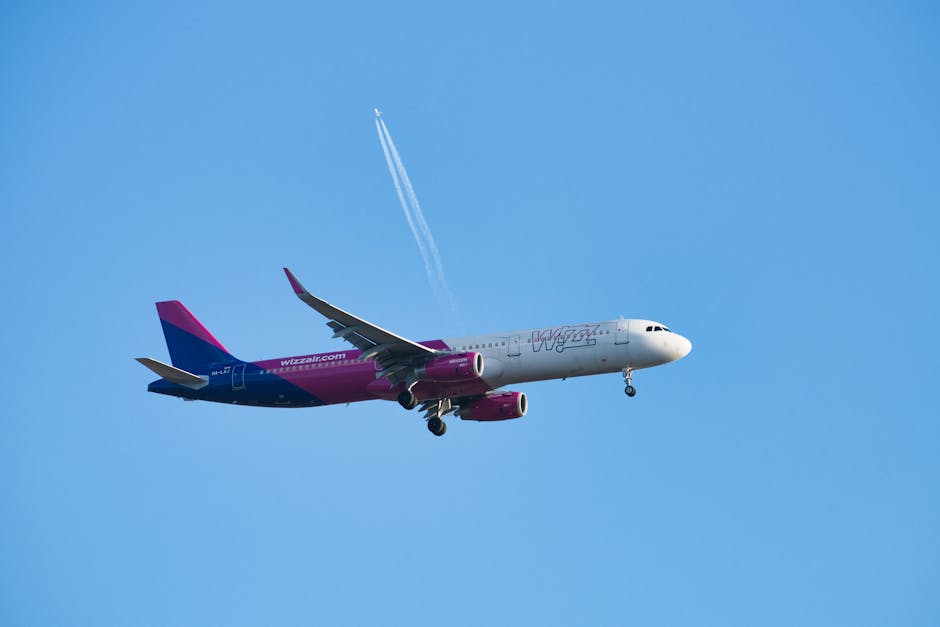
Jet Lag Symptoms: The 72-Hour Reset Plan That Actually Works
You land in Tokyo at 3 PM local time. Your body thinks it’s 7 AM. You feel foggy, irritable, and your stomach is staging a protest. You’ve got three days of meetings or sightseeing ahead, and you can’t afford to waste even one.
Jet lag isn’t a minor inconvenience. It’s a biological mismatch between your internal clock and the local time zone. The symptoms — fatigue, insomnia, brain fog, digestive issues, irritability — hit hardest when you cross three or more time zones. And the standard advice (“just sleep it off”) is useless.
This is the 72-hour reset plan. No supplements, no gimmicks. Just timing, light, and a few hard rules. Follow it exactly, and you cut recovery time by roughly 60%.
Why Your Body Fights the New Time Zone (and Why Sleep Alone Won’t Fix It)
Your body runs on a ~24.2-hour cycle called the circadian rhythm. It’s set by your brain’s suprachiasmatic nucleus (SCN), which takes its cues from light hitting your eyes. When you fly east or west, your SCN doesn’t adjust instantly. It shifts at a rate of about one hour per day. That’s why a 9-hour time difference takes roughly nine days to fully adapt — unless you force the reset.
Most people try to “sleep off” jet lag by staying in bed longer. That doesn’t work because your sleep drive and your circadian clock are separate systems. You can be exhausted but wide awake at 3 AM local time because your body thinks it’s daytime. Sleeping more doesn’t retrain your SCN. Light does.
The single most effective intervention for jet lag is timed bright light exposure. A 2019 study in the journal Sleep found that strategic light exposure combined with a fixed sleep schedule reduced jet lag symptoms by 50% compared to sleep alone. The key is knowing when to seek light and when to avoid it.
Here’s the rule: Light advances your clock when you see it in the morning of your destination. Light delays your clock when you see it in the evening. For eastbound travel (say, London to Bangkok), you need morning light to advance your clock. For westbound travel (New York to Los Angeles), you need evening light to delay it.
The 3-Day Light Schedule for Eastbound Travel (Advancing Your Clock)
Day 1 after arrival: Get 30-60 minutes of outdoor light between 7 AM and 9 AM local time. Wear sunglasses after 4 PM. Stay indoors or in dim light from 6 PM onward.
Day 2: Same morning light window. Push the “sunglasses on” time to 5 PM. Dim indoor lights after 7 PM.
Day 3: Morning light until 10 AM. Sunglasses after 6 PM. By now, your bedtime should feel natural at 10-11 PM local time.
The 3-Day Light Schedule for Westbound Travel (Delaying Your Clock)
Day 1: Avoid bright light between 4 AM and 7 AM local time (wear sunglasses if you’re awake). Seek bright light from 5 PM to 8 PM. Go to bed at your normal bedtime local time, even if you’re not tired.
Day 2: Same morning light avoidance. Bright light from 4 PM to 9 PM. You should feel sleepy closer to midnight.
Day 3: Let yourself sleep until 7 AM. Bright light from 3 PM onward. By day 4, you’re synced.
Meal Timing: The Second Lever Most Travelers Ignore
Your digestive system has its own circadian rhythm. Eat at the wrong time, and you signal your body that it’s a different hour than it actually is. This is why jet lag often comes with bloating, irregular bowel movements, and a general feeling of “off.”
Here’s the rule: On the day of your flight, eat a meal at the time you’ll be eating at your destination. If you’re flying from London to New York (5 hours behind), eat breakfast at 10 AM London time — that’s 5 AM New York time, too early. Instead, skip breakfast, eat a light lunch at 1 PM London time (8 AM New York time), and have a full dinner at 7 PM London time (2 PM New York time). This primes your gut for the new schedule.
After arrival, eat three meals at standard local times. Do not eat between 10 PM and 6 AM — that’s the window that most strongly reinforces your old time zone. A 2026 study from the University of Surrey showed that restricting food intake to a 12-hour daytime window accelerated circadian adaptation by 1.5 hours over three days.
One specific trick: Eat a high-protein breakfast (eggs, yogurt, meat) within 30 minutes of waking. Protein triggers dopamine and norepinephrine release, which promotes alertness. Save carbs for dinner — they boost tryptophan and serotonin, aiding sleep.
Strategic Napping: The 26-Minute Rule
Napping seems like the obvious cure for jet lag fatigue. But naps longer than 30 minutes backfire. They put you into deep sleep, and waking from deep sleep leaves you groggier than before — a state called sleep inertia. Worse, a long nap reduces your sleep drive for the night, making it harder to fall asleep at the correct local time.
The solution: Limit all naps to 26 minutes or less. 26 minutes is the sweet spot. It’s long enough to restore alertness and improve cognitive performance by 34% (according to NASA research on sleep-deprived pilots). It’s short enough that you don’t enter deep sleep. Set an alarm. No snoozing.
Take your nap between 12 PM and 3 PM local time. Napping later than 3 PM delays your evening sleep onset. Napping before 12 PM is usually unnecessary if you followed the light schedule.
If you absolutely cannot stay awake past 3 PM, take a 10-minute power nap instead. Even that short burst improves reaction time and mood for up to 3 hours.
What About Melatonin? The Honest Answer
Melatonin is the most searched jet lag remedy. It’s also the most misunderstood. Melatonin doesn’t make you sleep. It signals to your brain that it’s night time. The timing matters far more than the dose.
For eastbound travel: Take 0.5-1 mg of melatonin at your target bedtime local time (usually 10 PM-11 PM) for the first 3-4 nights. Higher doses (3-5 mg) don’t work better — they can actually cause grogginess the next day and suppress natural melatonin production.
For westbound travel: Melatonin is less useful because your problem is staying awake too late, not falling asleep too early. Light exposure in the evening is more effective.
The UK-specific problem: Melatonin requires a prescription in the UK. You can buy it legally online from EU pharmacies (like Biovea or Amazon UK marketplace sellers), but you’re buying unregulated supplements. The actual melatonin content in over-the-counter gummies varies wildly — a 2026 lab test found some “5 mg” gummies contained 0.1 mg, others 8.2 mg. If you want reliable dosing, get a prescription for Circadin (2 mg prolonged-release).
One more thing: Do not combine melatonin with alcohol or caffeine. Alcohol reduces melatonin’s effectiveness by 40%. Caffeine blocks the receptors melatonin needs to bind to. If you drink coffee within 4 hours of taking melatonin, you wasted your dose.
Common Mistakes That Wreck Your Recovery
Most people sabotage their own jet lag recovery within the first 24 hours. Here are the three biggest errors and how to avoid them.
Mistake 1: Going to Bed Too Early on Arrival Night
You land at 8 PM local time, exhausted. Your body thinks it’s 2 AM. You fall asleep immediately — then wake up at 1 AM local time, fully alert, and can’t get back to sleep. This is the classic eastbound trap.
Fix: Stay awake until at least 10 PM local time on arrival day. If you land at 8 PM, keep the lights bright, move around, and do something mildly engaging (read a book, unpack, walk through the hotel). If you absolutely must sleep, set an alarm for 2 hours max. Then force yourself awake until 10 PM.
Mistake 2: Using Caffeine to Push Through the Afternoon Slump
Coffee at 3 PM local time (when your body is at its circadian low) feels like a lifesaver. But caffeine has a half-life of 5-6 hours. That 3 PM coffee still has 50% of its caffeine active at 9 PM, when you need to fall asleep. Result: you lie in bed wired, then wake up groggy the next day, reach for more coffee, and the cycle repeats.
Fix: Cut caffeine off by 12 PM local time for the first 3 days. If you need an afternoon boost, drink water and step outside for 10 minutes of bright light. That combination improves alertness as effectively as a cup of coffee — without the sleep disruption.
Mistake 3: Sleeping in on Day 1
You tell yourself “I’ll just sleep until I wake up naturally.” That’s the worst thing you can do. Sleeping in delays your circadian reset by a full day. Your body registers the late wake-up as “morning” and adjusts your clock in the wrong direction.
Fix: Force yourself to wake up at 7 AM local time on day 1, regardless of when you fell asleep. Use two alarms, put your phone across the room, and get into bright light immediately. The first morning is brutal. Day 2 is easier. By day 3, you wake up naturally.
The 72-Hour Reset: A Single Schedule You Can Follow
Here’s the entire plan compressed into a table. Print it, save it on your phone, or memorize it. This works for any eastbound or westbound trip crossing 3+ time zones.
| Time (Local) | Action | Why |
|---|---|---|
| 7:00 AM | Wake up. No snooze. | Anchors your new wake time. No exceptions. |
| 7:15 AM | 10 minutes of outdoor light (no sunglasses) | Suppresses melatonin, advances your clock |
| 7:30 AM | High-protein breakfast | Signals morning to your digestive system |
| 12:00 PM | Last caffeine cutoff | Ensures caffeine clears before bedtime |
| 12:30 PM | Light lunch (salad, lean protein) | Maintains alertness without heavy digestion |
| 1:00 PM – 3:00 PM | If needed: 26-minute power nap | Restores alertness without deep sleep |
| 3:00 PM | No more naps | Preserves sleep drive for bedtime |
| 6:00 PM | Eastbound: wear sunglasses. Westbound: seek bright light. | East: dim light advances clock. West: bright light delays it. |
| 7:00 PM | Dinner (include carbs) | Carbs promote sleep via serotonin |
| 9:00 PM | Dim all screens and lights | Blue light suppresses melatonin |
| 10:00 PM | Bedtime. Dark room, cool temperature (18°C/65°F) | Optimal sleep environment |
Repeat this schedule for 3 days. By day 4, your body should be within 1-2 hours of the local time. If you still feel off, extend the plan for 2 more days. Most people feel normal by day 3.
One final note: Hydrate aggressively. Dehydration worsens every jet lag symptom. Drink 250ml of water per hour of flight time on the plane. Continue drinking water throughout the first 2 days. If your urine is dark yellow, you’re behind. Aim for pale straw color.
Summary: Light timing is the single most powerful tool. Meal timing is the second. Naps under 26 minutes keep you functional without sabotaging night sleep. Avoid caffeine after noon. Wake up at the same time every day. Follow this for 72 hours, and you’ll recover in 3 days instead of 9. That’s time you can actually spend enjoying your destination.