A Coastal Daypack Plan for Wind, Water and Long Walking Routes
A route-first way to organise layers, drinking water, electronics and the damp return journey.
Route marker 1: pack for the exposed section
Start with the part of the route that has the fewest exits, not the café at the trailhead. Check distance, elevation, tide information where relevant, public transport frequency and the last safe turnaround point. Coastal weather can change quickly, and a bag cannot compensate for a route chosen beyond the group's ability. Tell someone the plan when the walk is remote and use official local guidance.
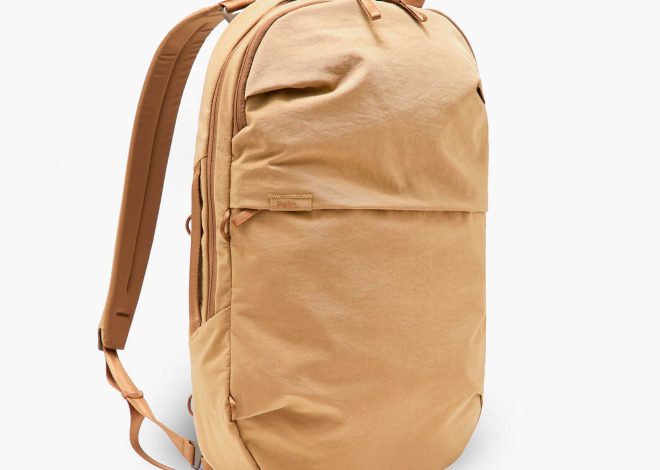
A 22-litre daypack offers room for more than a city tote, but that is not a reason to fill it automatically. Put the non-negotiable layer, water, food and basic safety items in first. Only then add camera equipment or optional comfort. The load should still leave enough space to remove a warm layer while walking and store it without opening every pouch.
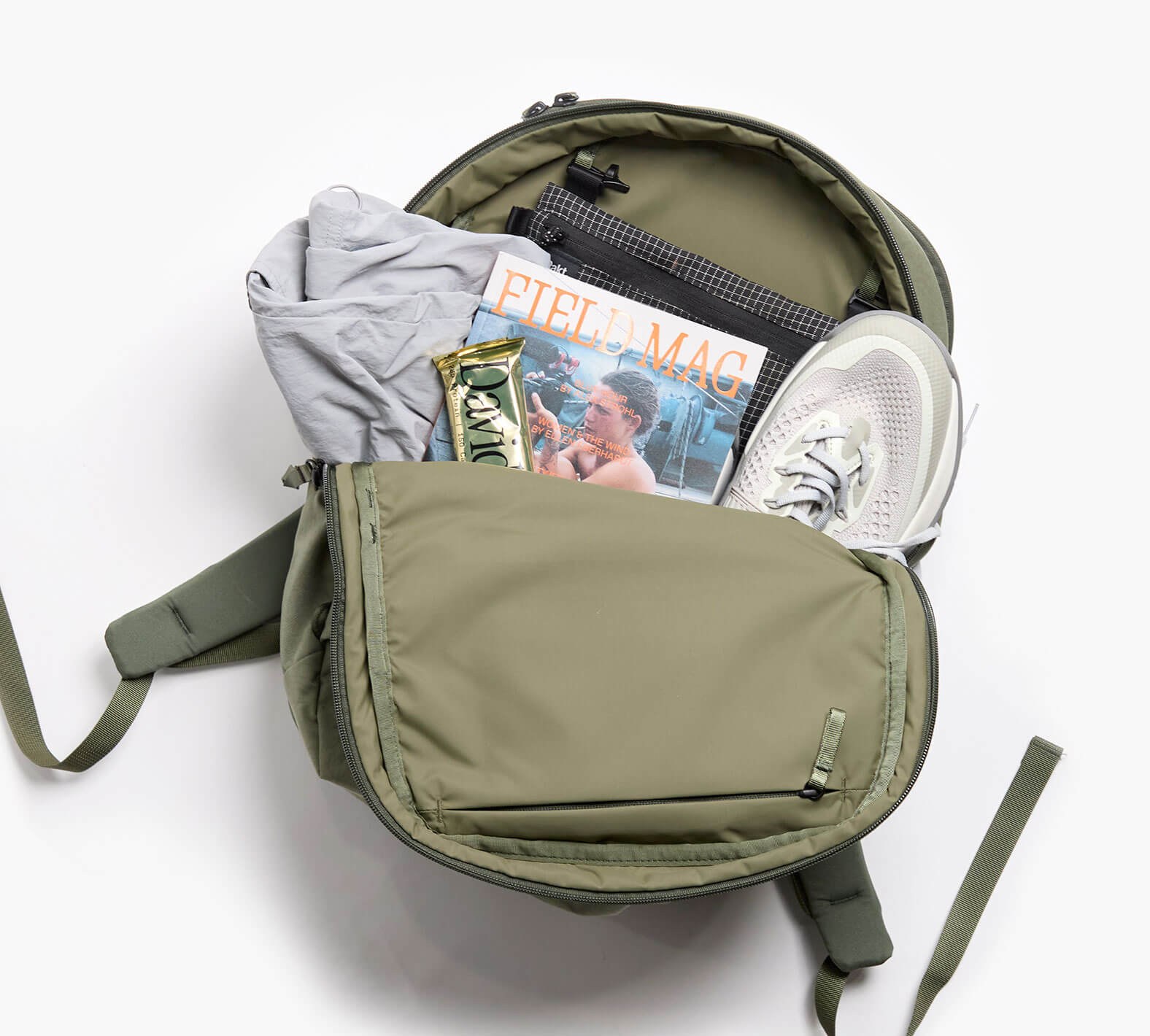
Route marker 2: create a dry zone inside the bag
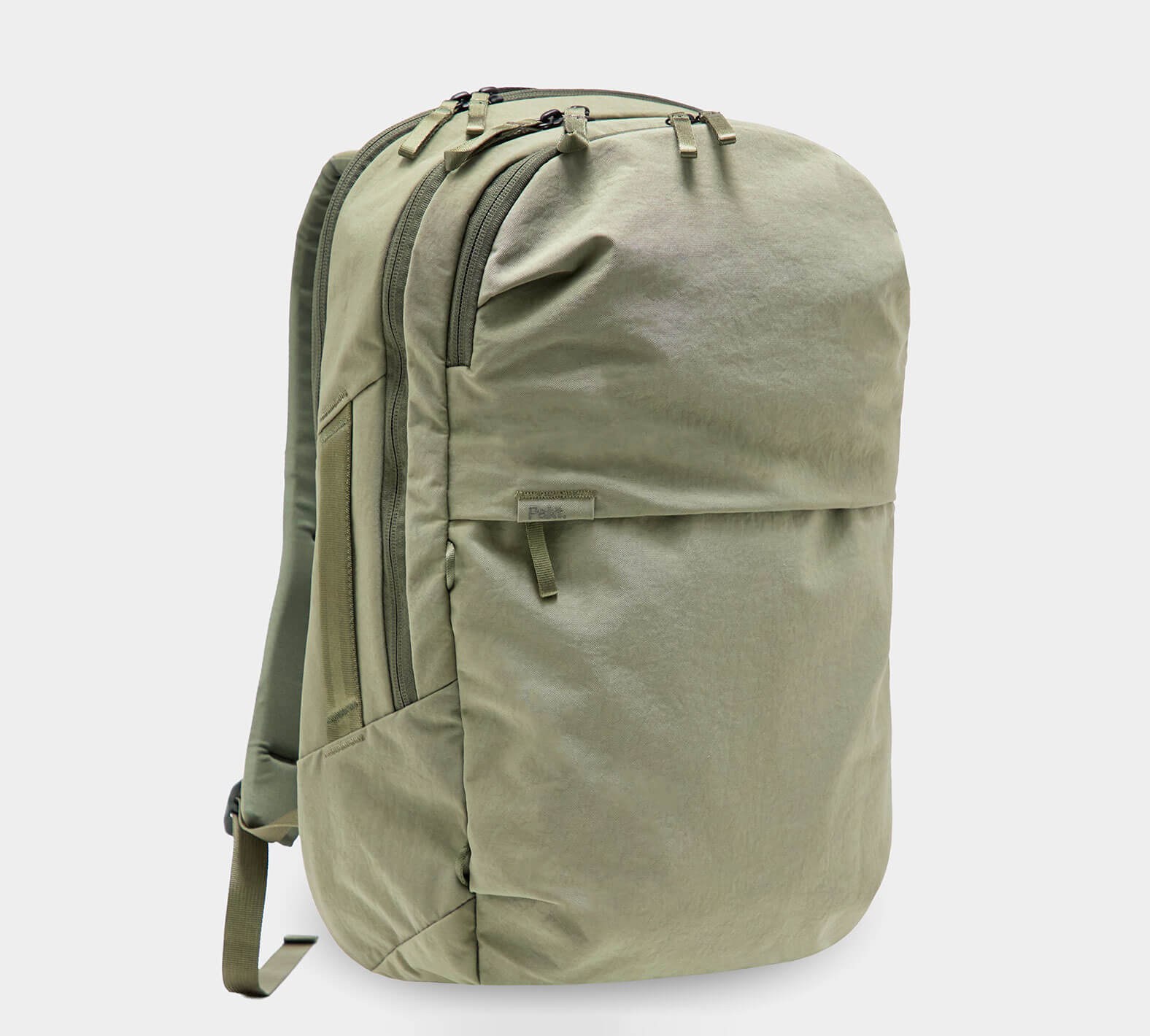
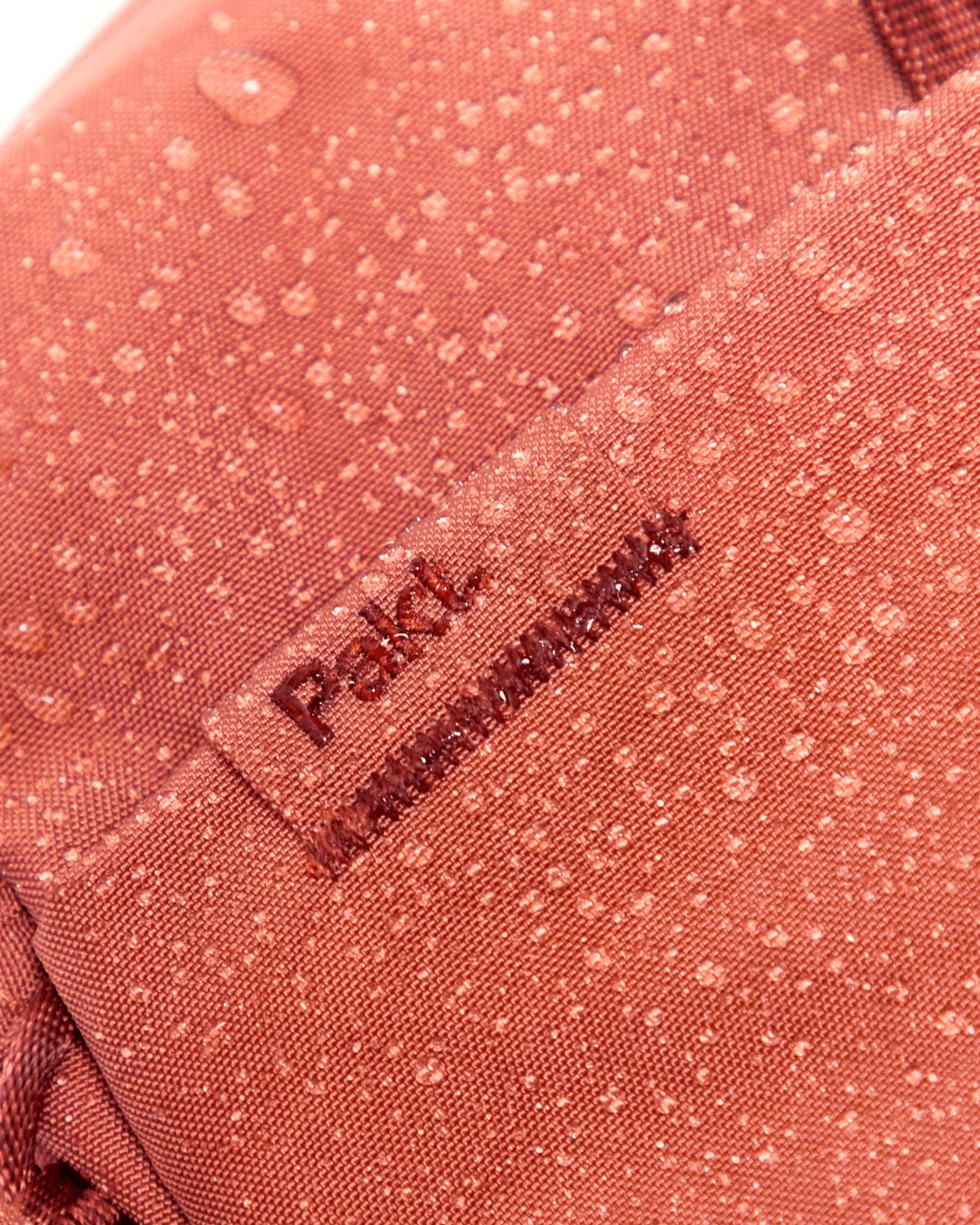
Water-resistant fabric is useful, but it is not the same as a waterproof system. Pakt currently describes the MODE Backpack with a PFAS-free durable water-resistant coating. Treat that as help against ordinary exposure, not permission to leave electronics unprotected in sustained rain or spray. Use an internal dry bag or sealed pouch for a phone, battery, paper tickets and medication that must remain dry.
Keep damp items outside that dry zone. A compact towel, wet hat or rain shell should have a separate bag so moisture does not migrate into spare socks or a notebook. If the route includes a beach, fine sand deserves the same caution: close zippers before setting the pack down, avoid grinding the bag into the ground and shake it out away from lenses and charging ports.
Route marker 3: decide whether the laptop belongs
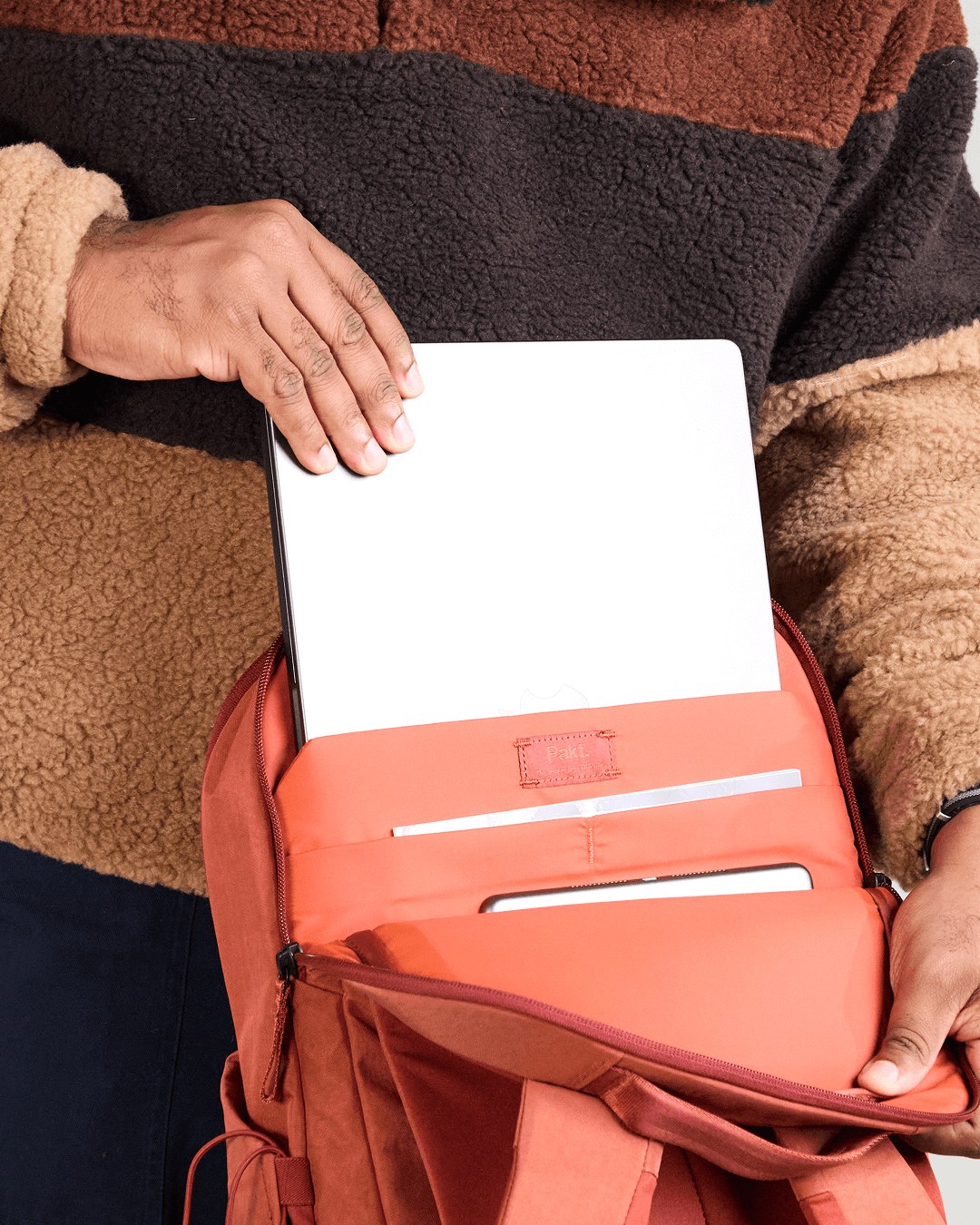
The MODE Backpack includes a padded sleeve described for a 16-inch laptop plus a tablet or e-reader pocket. On a coastal walking day, the more important question is whether the computer should leave the accommodation at all. Weight, moisture and accidental drops add risk, while most routes offer little need for full-size work equipment.
If checkout timing makes the laptop unavoidable, place it in the sleeve only when completely dry and keep liquids in the external bottle pocket. Do not count padding as insurance against every impact. Back up essential files before travel, shut the device down and avoid leaving the loaded bag unattended on a bench or in a vehicle. A sleeve organises risk; it does not remove it.
Route marker 4: balance water where the body can handle it
Pakt lists an external bottle pocket with an adjustable leash. Test the bottle fit at home, including the cap, and confirm that the weight does not pull the bag sharply to one side. A large metal bottle can change how the pack sits as much as a camera lens. Rebalance the main compartment if one shoulder feels more loaded after ten minutes.
Carry the amount of water appropriate for the route, conditions and access to safe refills. Do not assume a seasonal kiosk will be open. At the same time, avoid turning generic internet advice into a fixed personal requirement; heat, exertion and health needs vary. Use local guidance and professional advice where needed, especially for children, older walkers or anyone with a medical condition.
Route marker 5: make the halfway stop a systems check
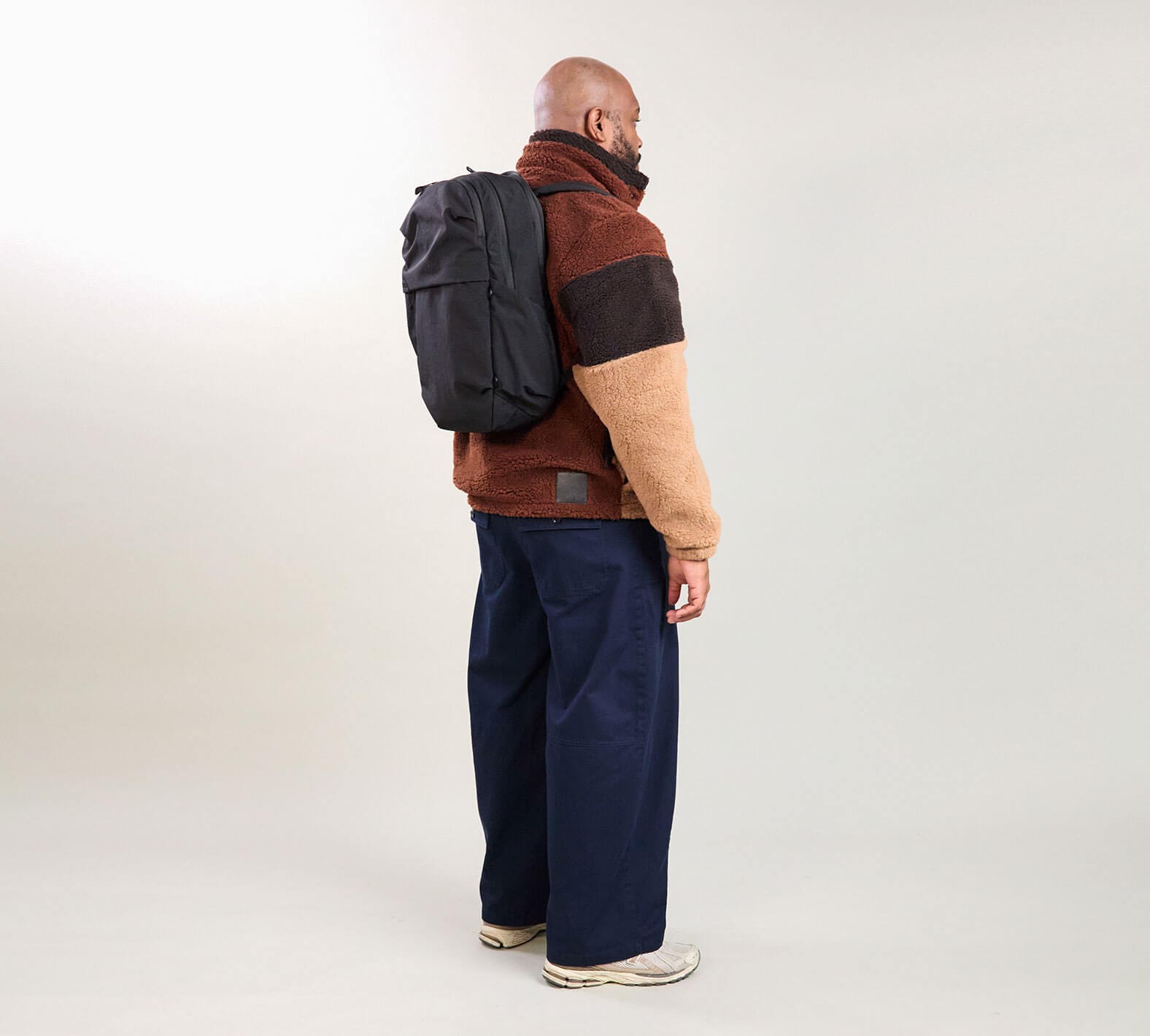
At the midpoint, do more than take a photograph. Check the sky, remaining water, transport time and how the straps feel. Move a dense object if it is creating a pressure point, tighten or loosen the sternum strap appropriately and inspect any wet area before it spreads. The best time to turn around is before fatigue makes every small issue feel permanent.
Use the admin pocket for items that must appear quickly, such as keys, transit card and a small first-aid pouch, but do not overload it with every cable and souvenir. A key clip is helpful only when the same key returns to it. Consistent placement matters on a windy stop, when gloves, map and phone are already competing for both hands.
Route marker 6: unpack the weather, not just the objects
After the walk, remove every damp layer and empty the bottle pocket. Open compartments so moisture can escape, brush off dry sand gently and follow the manufacturer's cleaning guidance. Do not put the bag straight into a wardrobe while the back panel or straps are still wet. Check zippers and seams for trapped grit before the next journey.
Review Pakt's current product page for dimensions, materials, included features, warranty and returns information before buying; these details can change. The link below leads to that current information. A coastal daypack earns its place by making the route easier to manage and the return easier to reset, not by encouraging more equipment than the day actually requires.