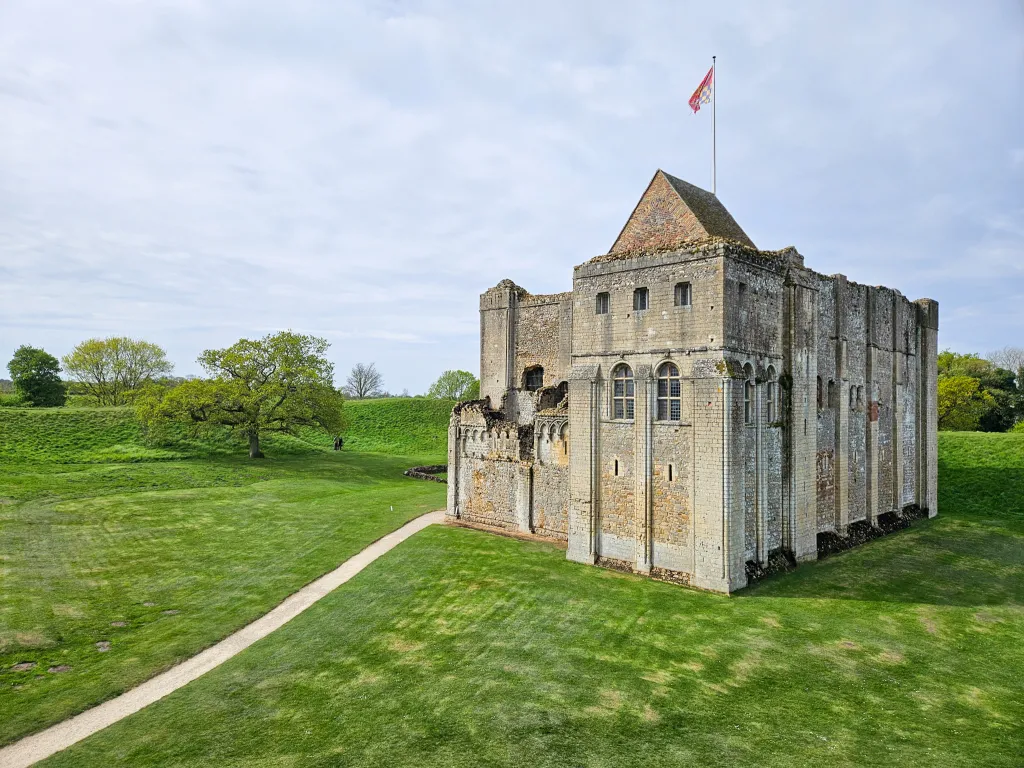
Castle Rising & Castle Acre: Visiting Norfolk’s Medieval Castles
History is written by the Victors. In England’s case that means wealthy white noble-men. It’s their viewpoints, biases, judgements and perspective that dominate our common narrative. The histories of the poor, whether male or female, are lost to the aeons of time. The histories of rich women are often told through a lens of wealthy white noble-men; unless a woman was meek and obedient and bore lots of male babies, she was branded some combination of disobedient, adulterous, treacherous or treasonous.
I’ve read a lot of books this year focusing on Medieval women, and the recent trend to try and re-tell their stories in a more balanced way. There are two women for me who stand above all others – Eleanor (Alienor) of Aquitaine, and Queen Isabella.
So, what better way to spend a day during the long Easter weekend earlier this year than on their trail, exploring their Medieval castles?! How lucky I am to live in England!
Castle Rising
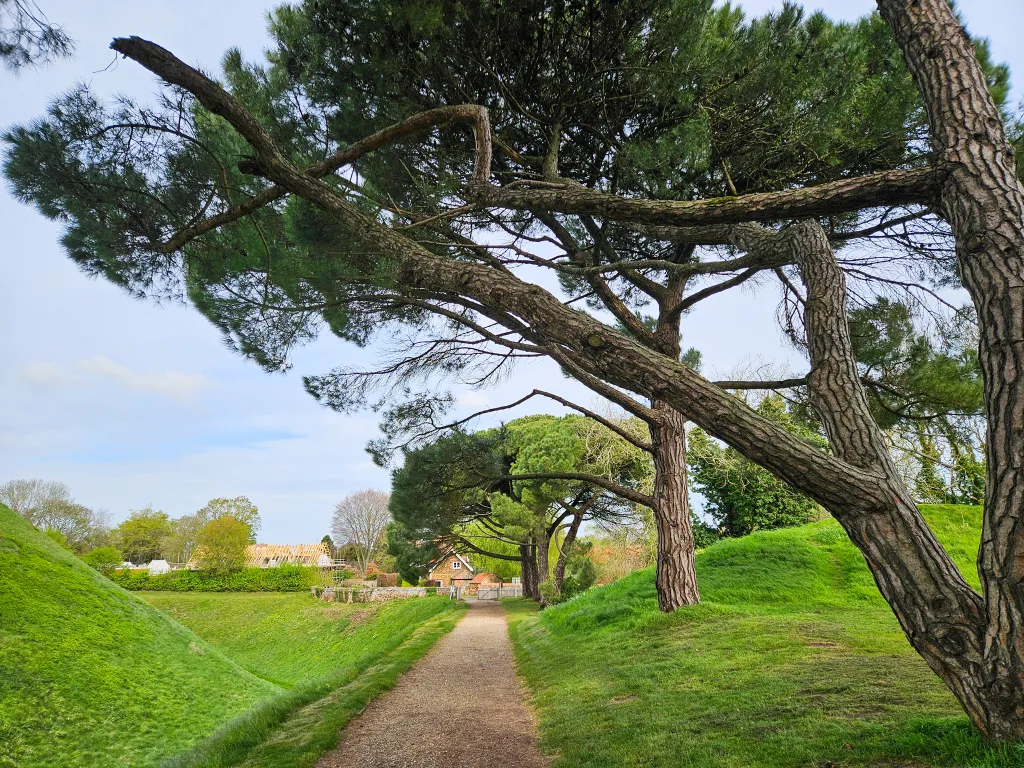
Let’s start with Queen Isabella, Castle Rising’s most famous resident. Castle Rising was built in the 1140s on the orders of a (shock) wealthy white noble-man, William D’Albini, and ultimately passed down through his family.
Jumping a few generations down the line of descent, and we meet Queen Isabella (1295-1358), often referred to in the history books as a “femme fatale” and a “she-wolf”, who was Queen by virtue of marriage to King Edward II.
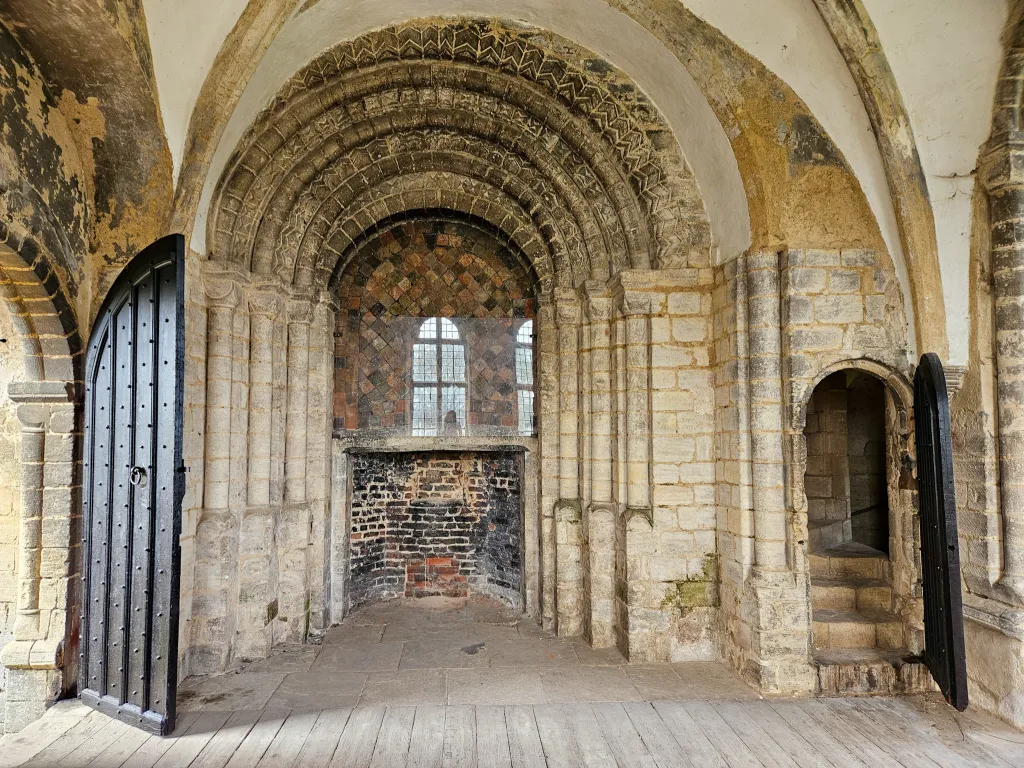
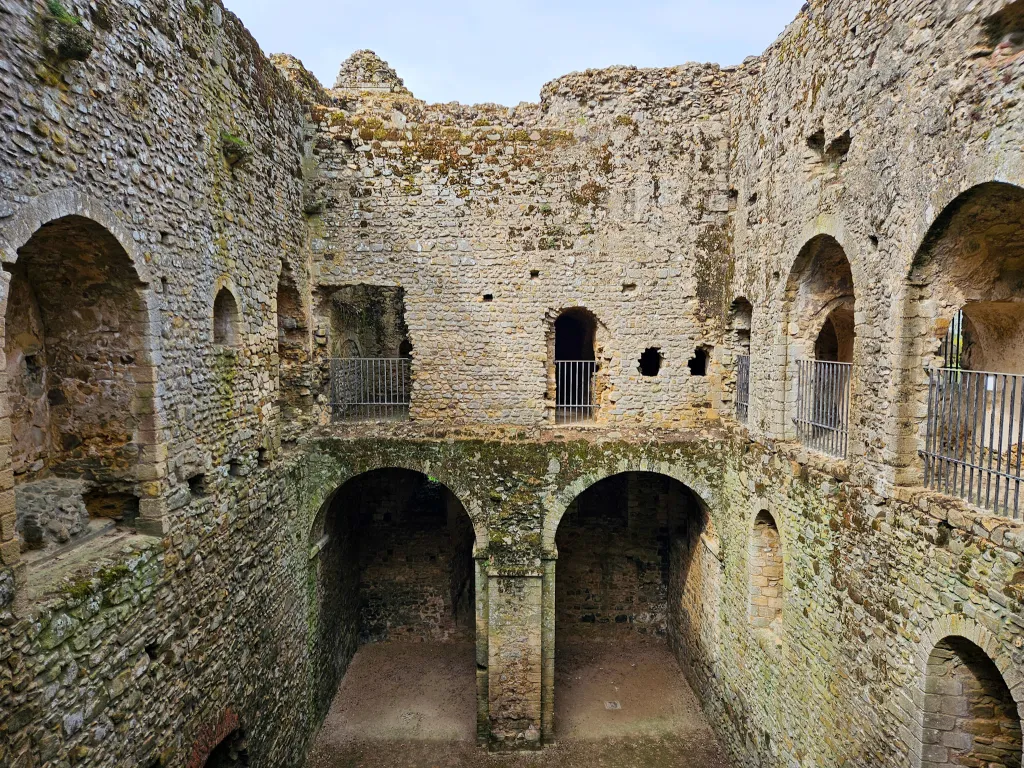
Now, Isabella was married at 12 years old. Yes, 12. And King Edward II was a TERRIBLE husband. He was notorious for being rash, murderous, and doing the bidding of his favourites, who were men (of course, having written the history, the men don’t speak about affairs with each other, but in Edward II’s case I think it’s safe to say he had at least two long term male lovers – Piers Gaveston and Hugh Despenser*).
King Edward’s Barons even hated Piers so much they killed him, and then Edward II went to literal war defending Hugh. Isabella, quite understandably, couldn’t tolerate Hugh Despenser. She’d had enough. She probably had an affair with a bloke called Roger**, but seriously – who can blame her!?


She’d probably also just had enough of her husband ruinously and irrationally ruling the country based on his nether regions feelings’ about young men. And so she decided, probably with Roger’s help, to take Edward II off the throne (and probably kill him – though we can’t be sure she knew) and pop her son, Edward III, there instead. She succeeded, and so her son ended up becoming King and Isabella retired to her family home of Castle Rising to live out her days.
My view is that she just couldn’t tolerate her absolute fool of a husband. The history books describe her as beautiful, but cruel and manipulative; a lavish spender who wanted power for herself. I like to think that instead Isabella was assertive, blessed with diplomatic skills, intelligence, and bravery. And Edward III became one of our most stable Kings – in fact Wikipedia even states he is known for “restoring royal authority after the disastrous and unorthodox reign of his father, Edward II”.
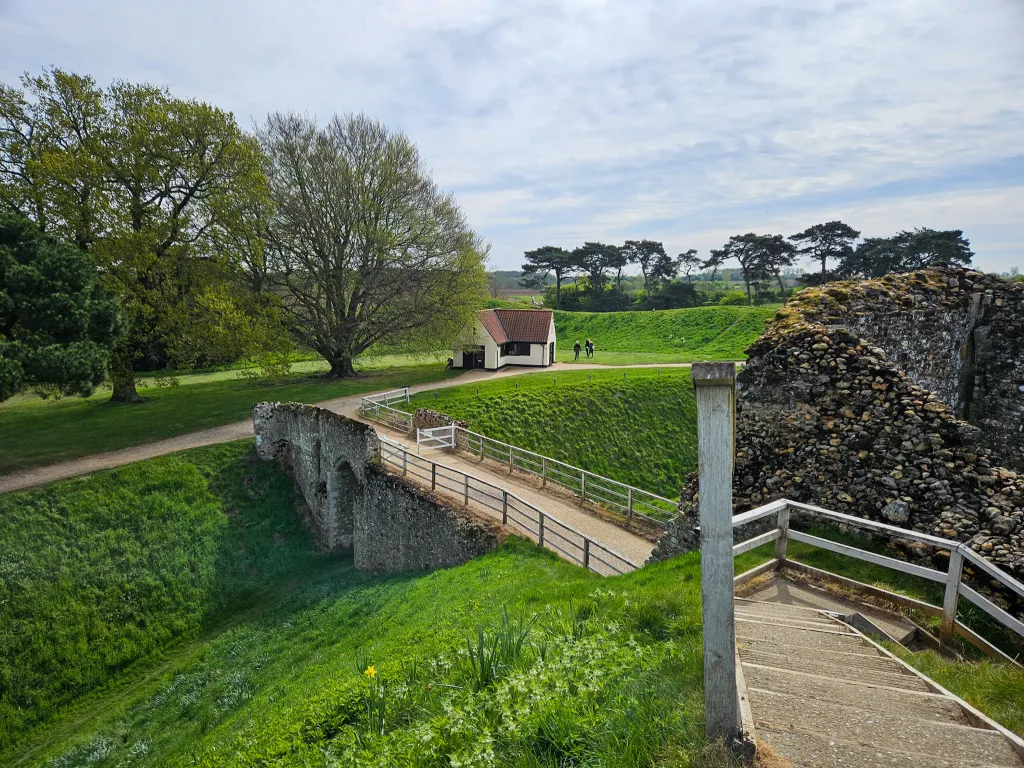

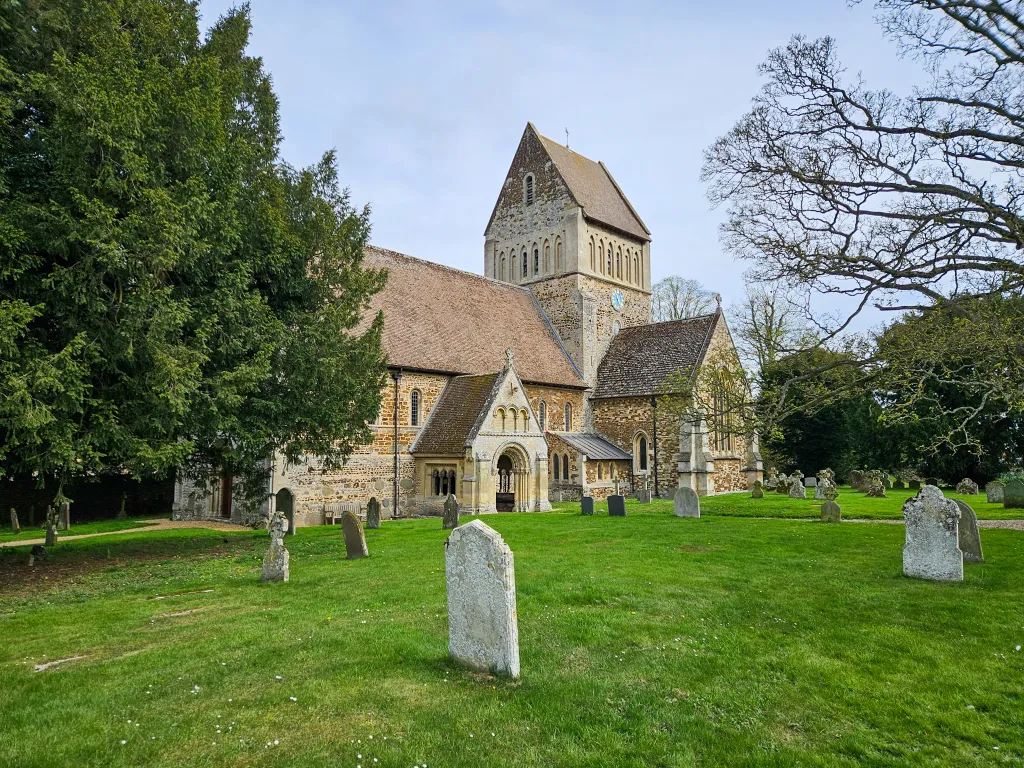
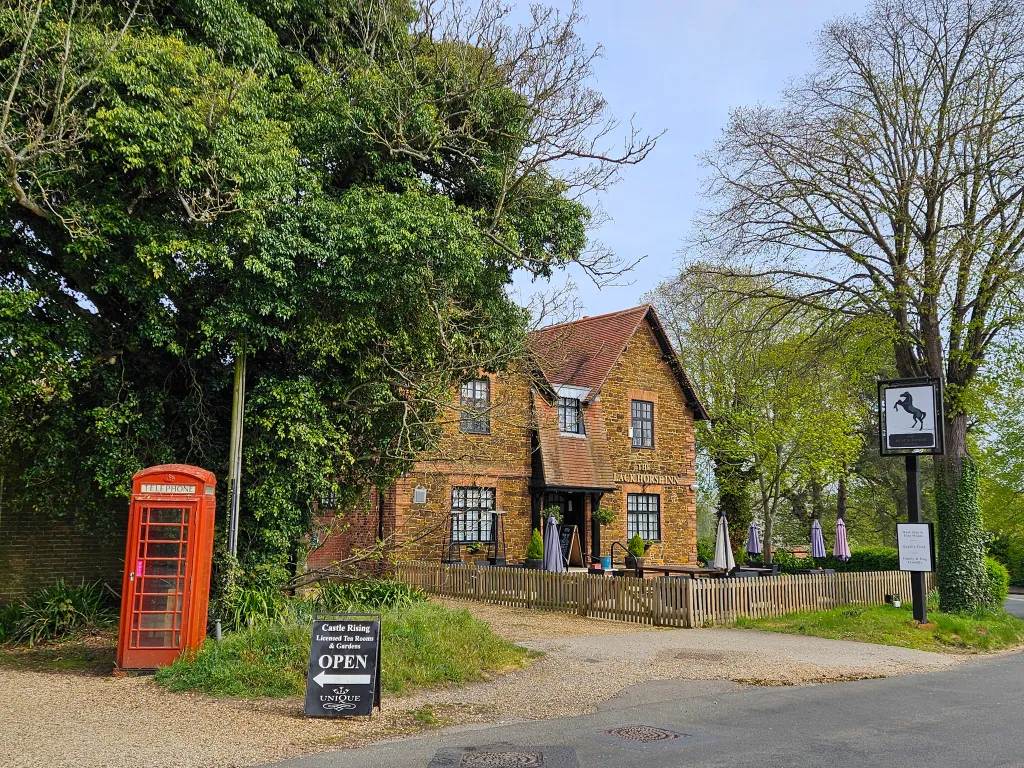
Isabella; I’m delighted to have visited your retirement home, it really is quite spectacular. The church you worshipped in is also still standing and magnificent. Oh, and you’d have loved the little tearoom which has now opened down the road, the cakes are delicious.
*As a side note, the TV Show Who Do You Think You Are recently featured an episode with singer Will Young who was horrified to learn he was descended from Hugh so that’s worth a watch if you want to learn more.
**In another Who Do You Think You Are, Courtney Cox discovered she was descended from Hugh AND Roger (a daughter and son married to make up for all the murder, and that’s her line), so that’s another one to watch if you’re interested!
Castle Acre & Castle Acre Priory
Nipping down the road, let’s talk a bit about Alienor of Aquitaine – well, sort of – it’s a bit of a tenuous link.
In a turn of events that will surprise no-one, Castle Acre was founded by a wealthy white noble-man, this time called William de Warenne, who was one of William the Conqueror’s cronies. His descendants held Castle Acre until 1347 and several were major political and military figures.
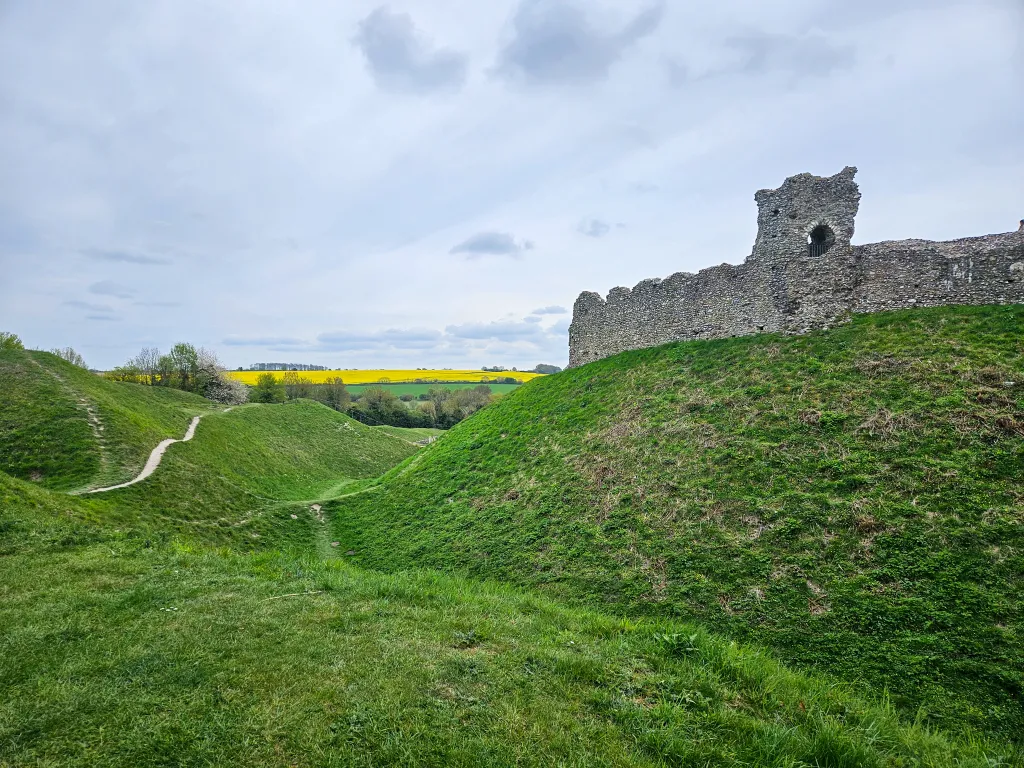
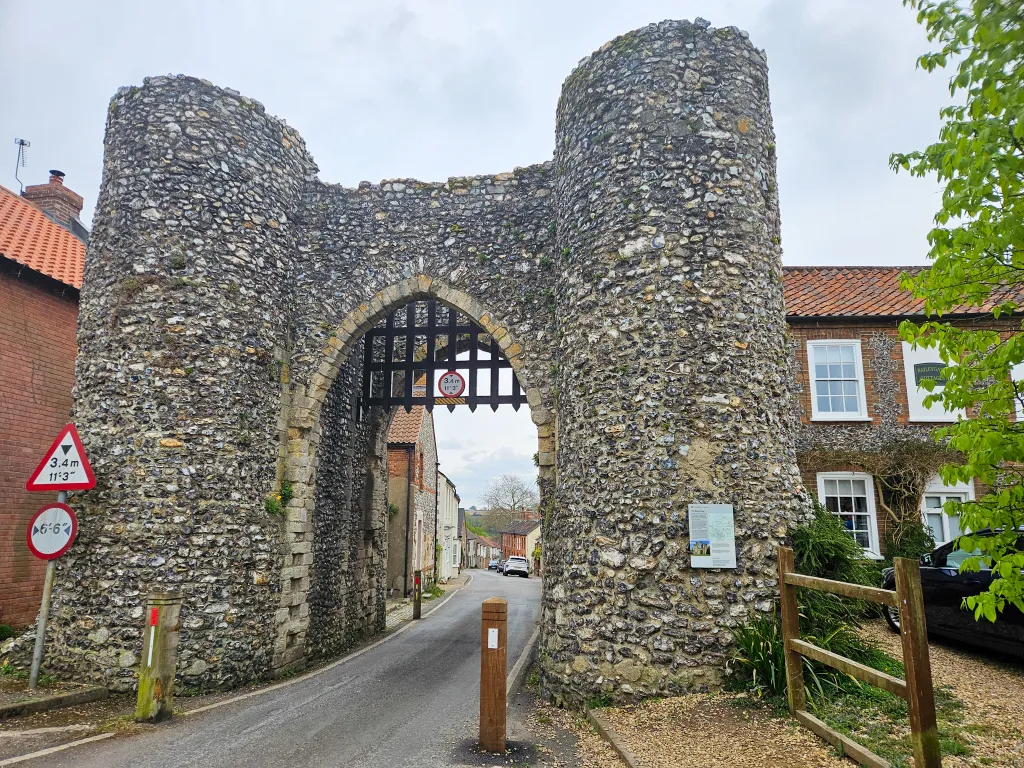
Within three generations the Warennes had created the castle, surrounded the town with massive ramparts and established its famous Cluniac Priory (home to 35 devout Monks who never spoke!)

The Priory is absolutely incredible, and reasonably well preserved for something that was built nearly 1,000 years ago and destroyed by Henry VIII in his rampage on the monasteries. It’s not difficult to imagine how impressive this Priory would have been – and you can even still visit the toilet block!
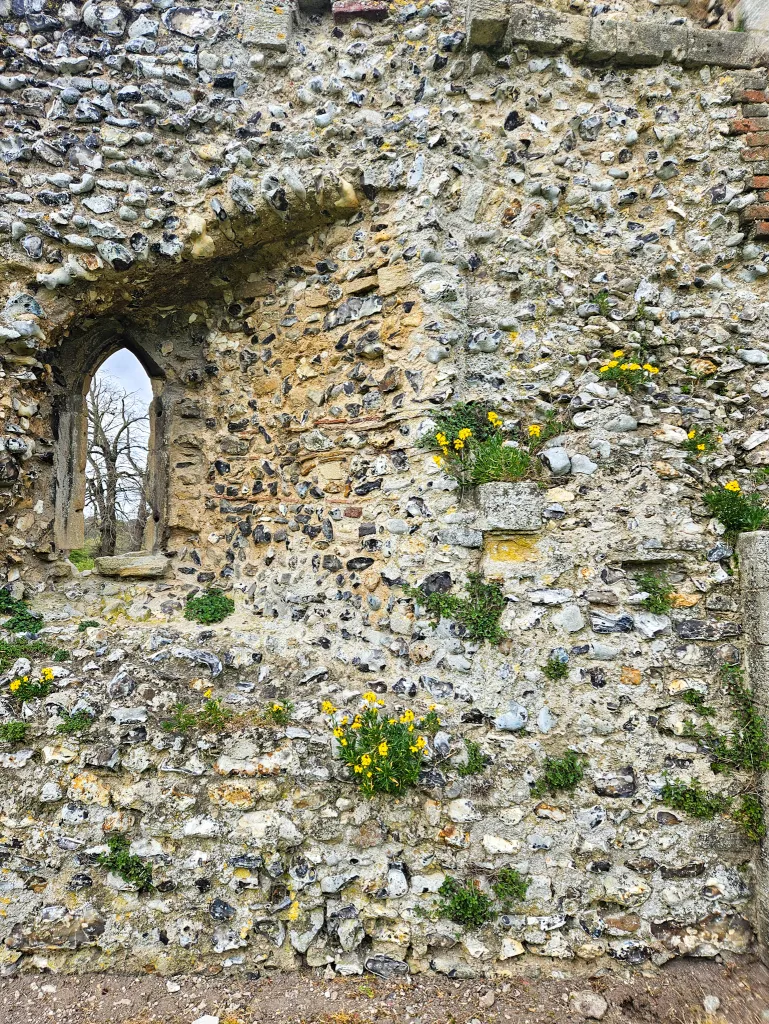
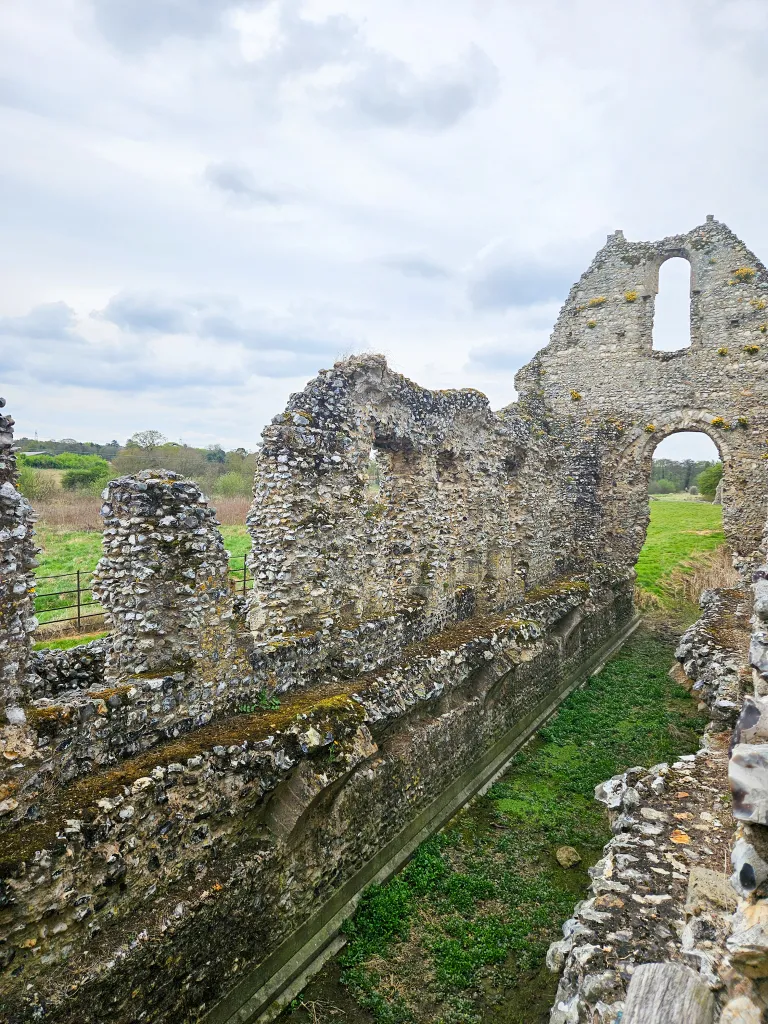
Isabel de Warenne, the only surviving child of the William de Warenne (the third), called Castle Acre hers. Her father joined the Second Crusade in 1146 and never returned. He was hacked to pieces when the army of Louis VII of France was crossing the slopes of Mount Cadmos in Turkey, killed by the Saracens.
At the time Isabel’s father was being murdered on crusade for Louis VII, Alienor of Aquitaine was married to Louis. A short while later, she divorced him (for a woman to do this in the 1100s is quite remarkable, she really must have just had enough of him), and married Henry II, King of England. Isabel de Warenne then married Hamelin, Henry II’s illegitimate brother.
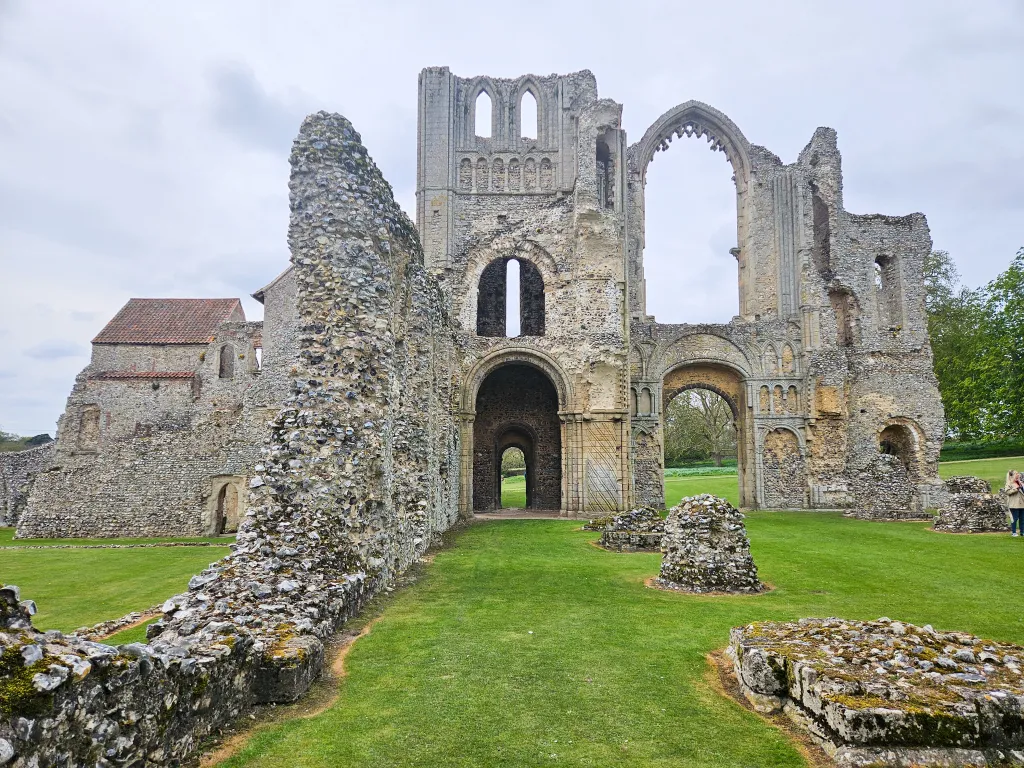
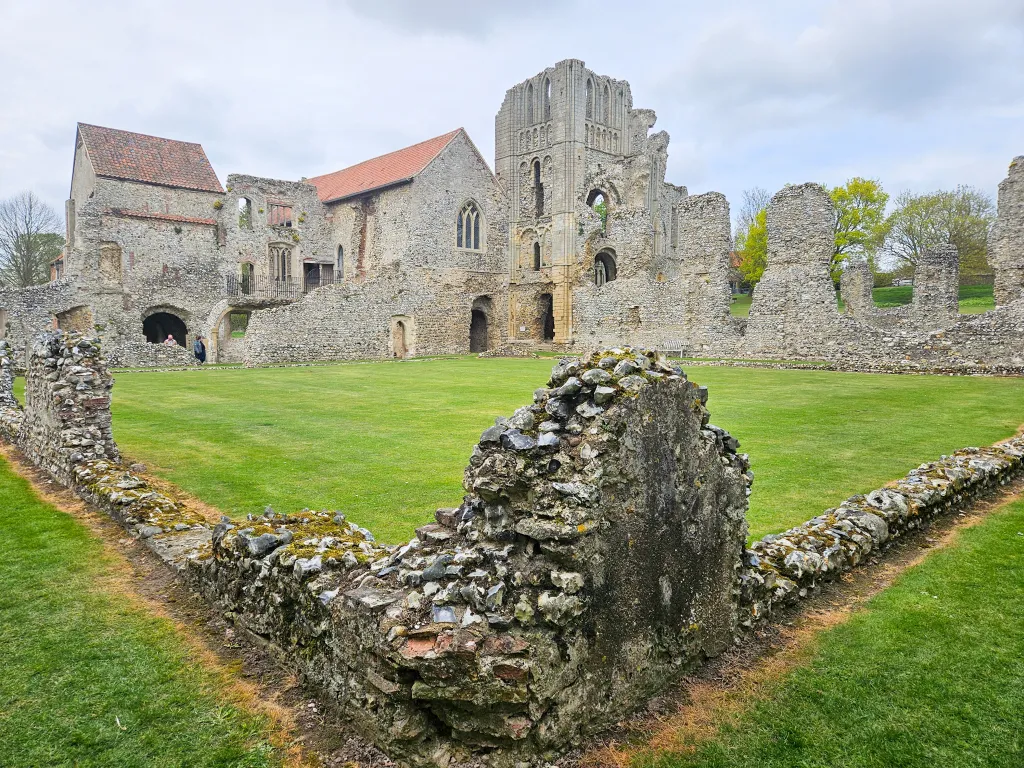
So they were all a happy family. Well, until Alienor “did an Isabella”, and decided enough was enough of Henry II too (he was definitely having lots of affairs with women) and tried to usurp him with their son. It didn’t work and she was imprisoned, but eventually Henry II died and her son came to the Throne anyway and she lived a happy retirement too.
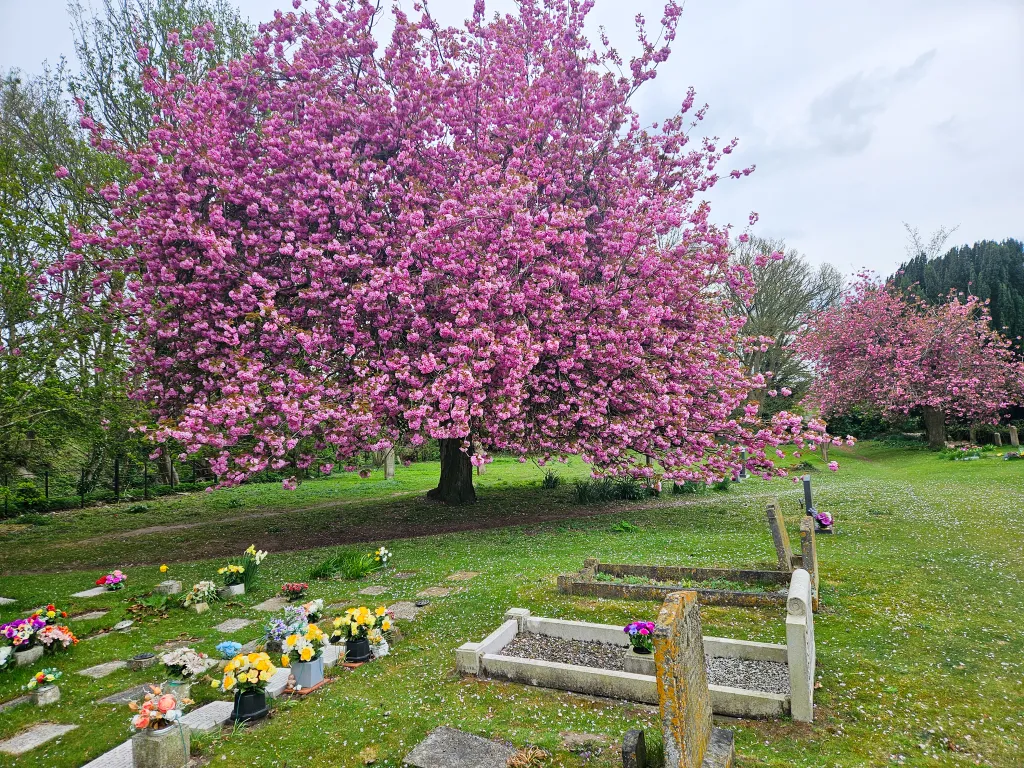
I think Isabel and Alienor would have quite liked the Ostrich Pub and beautiful flint houses which now fill Castle Acre, and I wonder if the stunning cherry blossom tree in the churchyard was there for her to enjoy as I did.


Visitor Information
Aside from the wonderful histories of these amazing castles, I’d better also include the practical and logistical side of things too.
- Both Castle Rising and Castle Acre Priory are operated by English Heritage, and free to enter for members.
- Castle Rising is open daily from 10am-6pm (April-October) and 10am-4pm (November-March), and closed on some public holidays.
- Castle Rising is £6 to enter for an adult; lower pricing when tickets bought online in advance; for seniors and children; family discounts also available.
- Castle Acre is open daily during daylight hours.
- Castle Acre is free to visit (though there is a charge to park in the car park, so park in Castle Acre Priory and then just walk to the Castle).
- Castle Acre Priory is open daily from 10am-5pm.
- Castle Acre Priory is £12 to enter for an adult; lower pricing when tickets bought online in advance; for seniors and children; family discounts also available.
Getting to Castle Rising and Castle Acre is only possible with a car. Both are situated in Norfolk and easily accessible within 2hrs from major cities in the region such as Cambridge, Norwich and Ipswich.
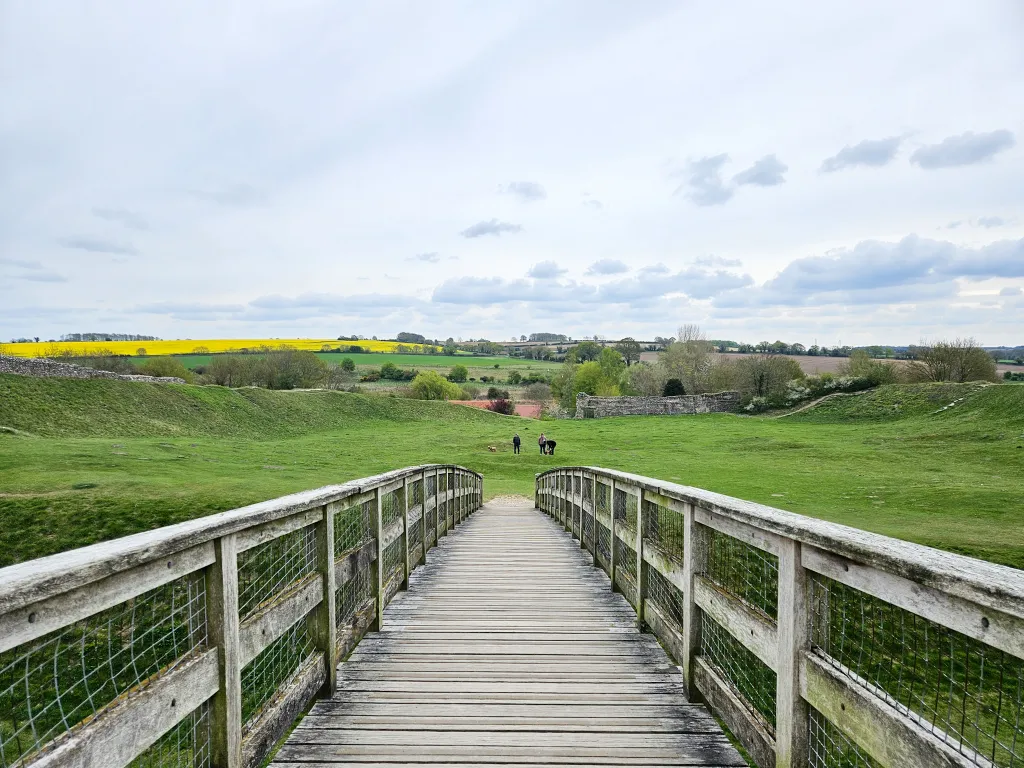
So there you have it, a wonderful local day out for me, full of history and ancient buildings. I hope you enjoyed the tour around the Castles and Priory, and learned a bit of English history along the way. Let me know what you think in the comments