The Museum-Day Bag Test Before a Full Day on Foot
A hotel-room rehearsal for security desks, cloakrooms, crowded galleries and the long walk back.
Test 01: check the venue before packing the bag
Museum rules vary more than travellers expect. One venue may allow a compact backpack in galleries, another may require every backpack to be worn on the front, and a third may send bags above a stated size to a cloakroom. Check the official visitor page on the morning of the visit, including temporary exhibitions and timed-entry instructions. A bag that is comfortable outdoors can still be awkward if it does not fit a locker.
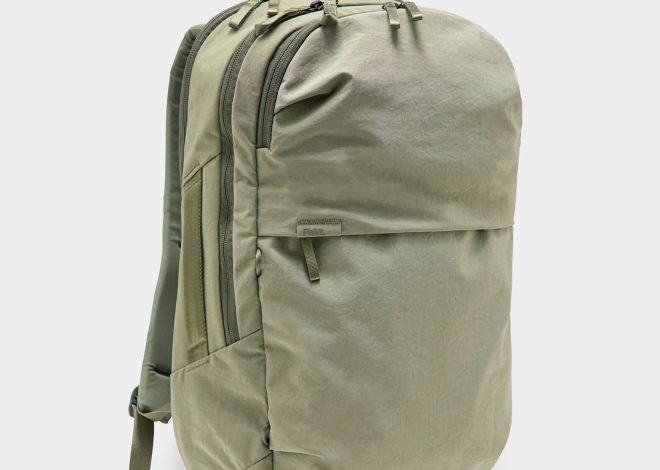
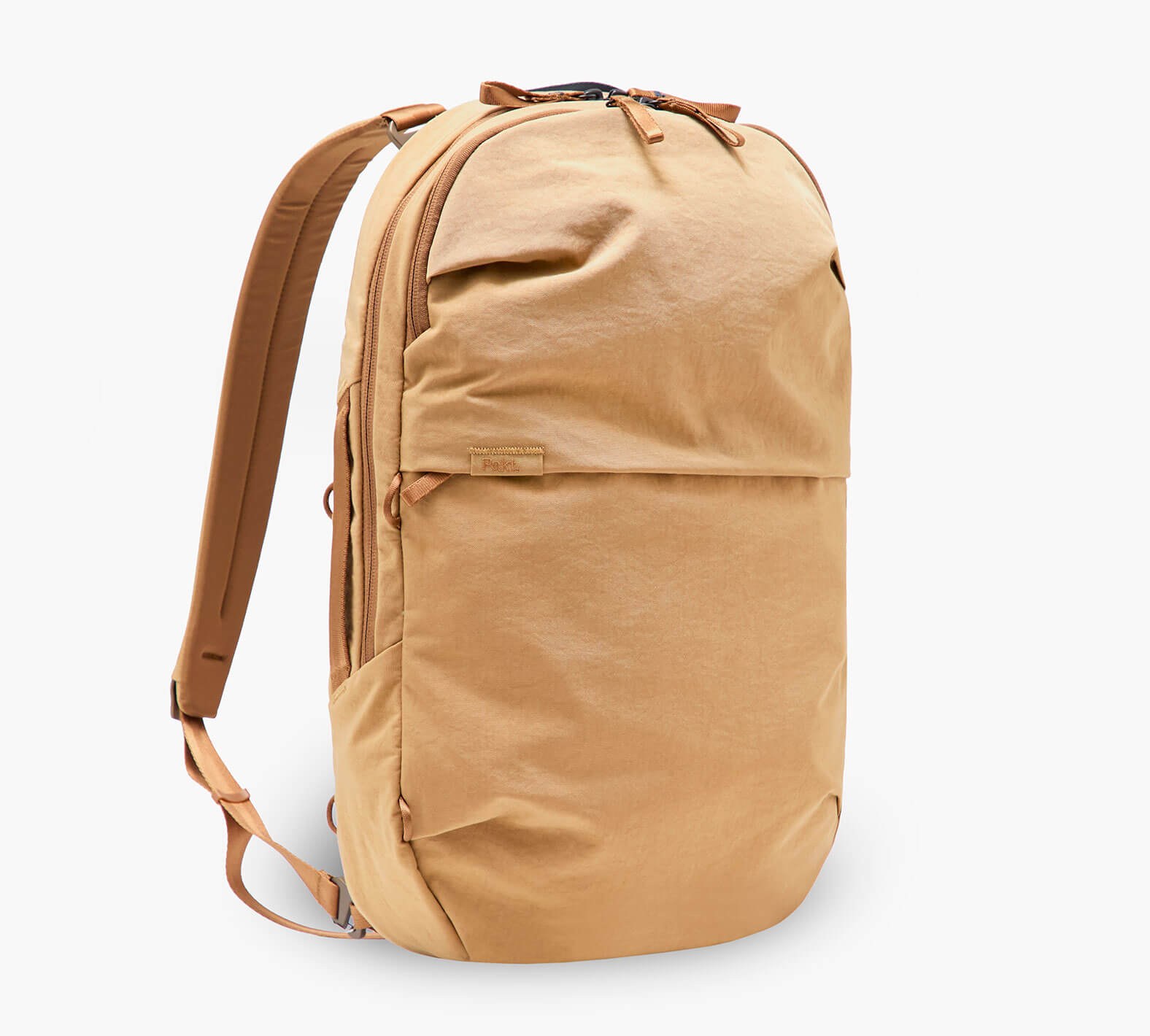
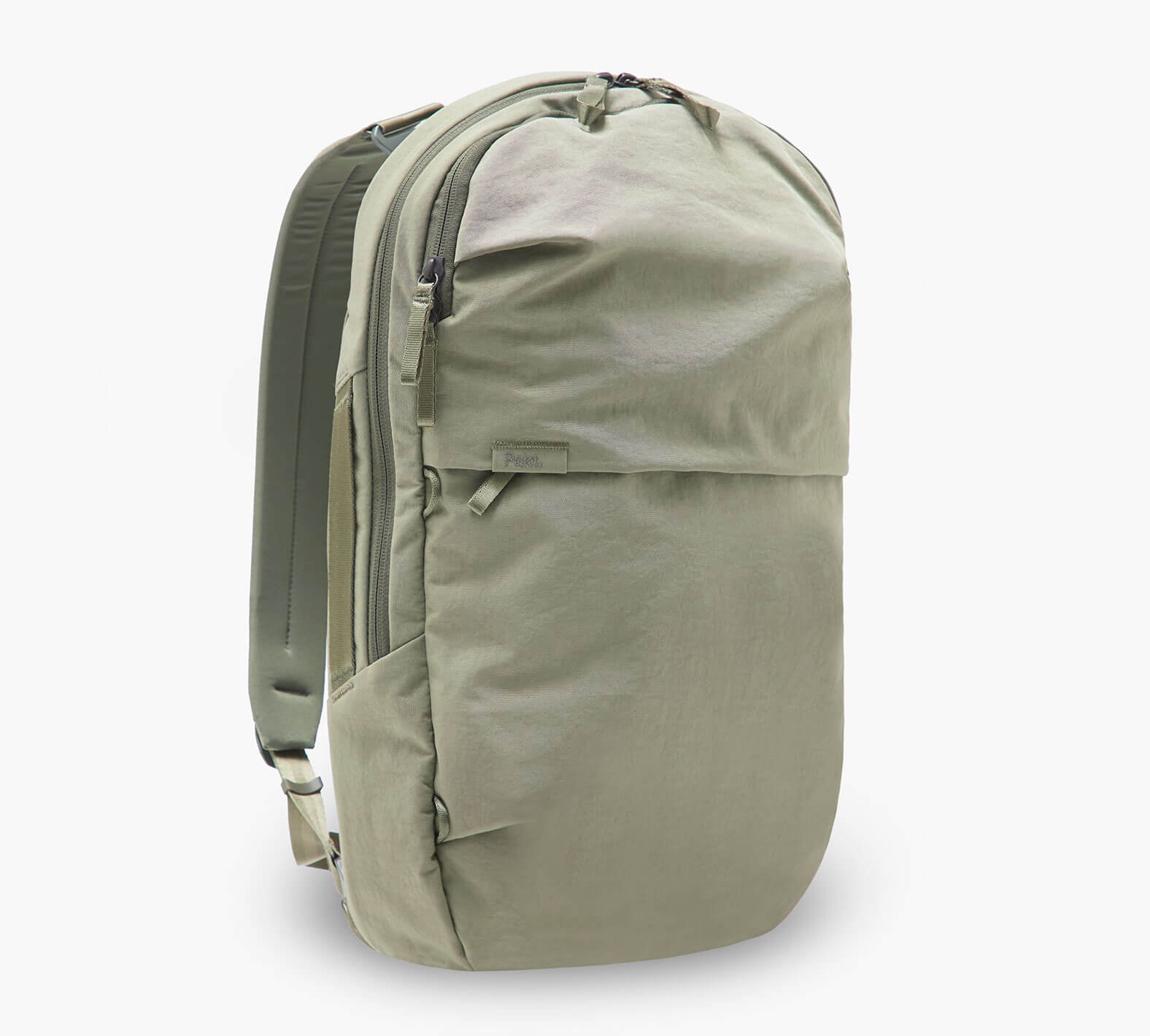
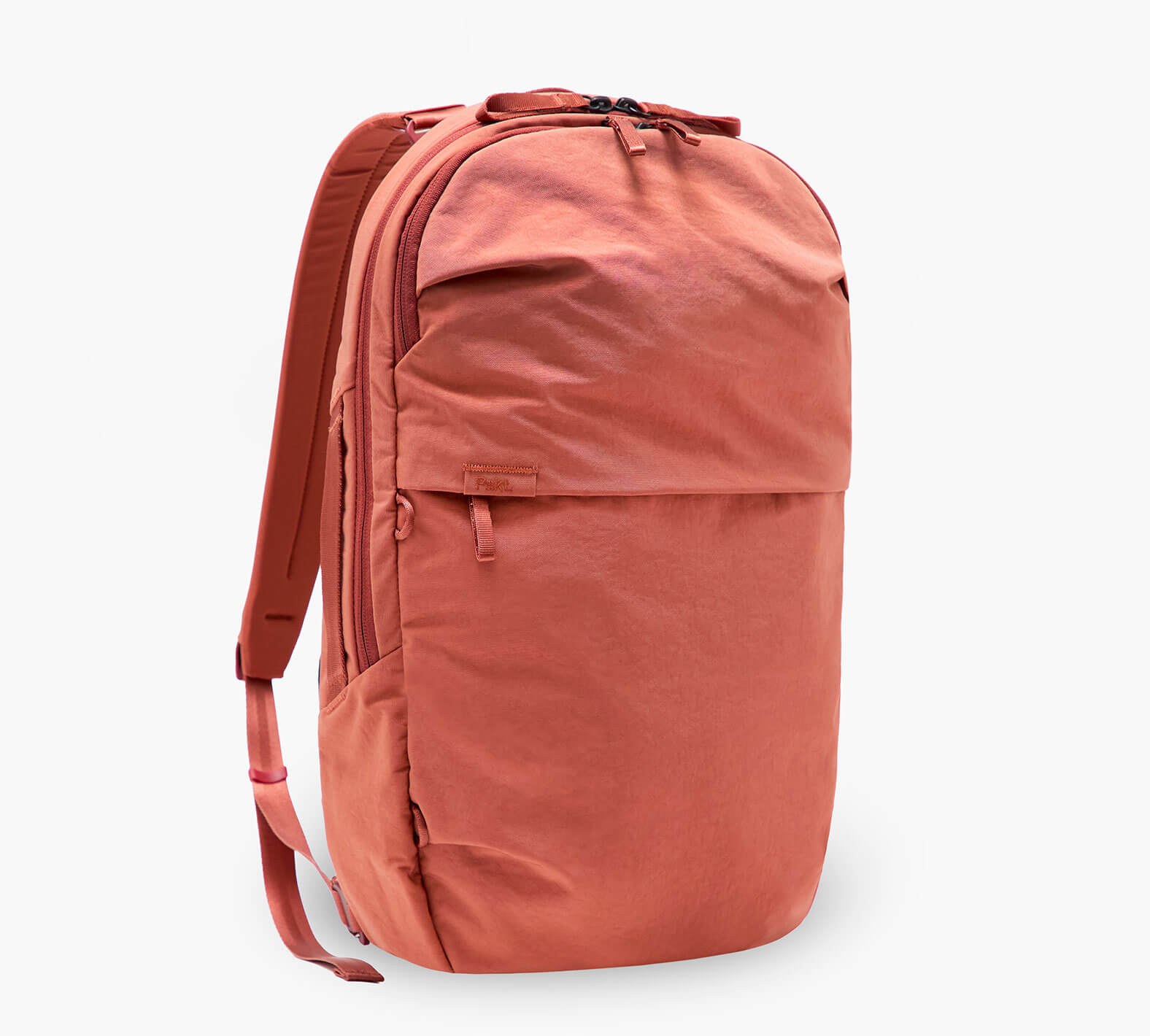
The MODE Convertible Bag is sold as a 14-litre laptop bag that can change between backpack and sling carry. That flexibility is useful only if the venue permits the bag in the first place. Measure the packed bag, not an empty product diagram, and note whether a coat, bottle or souvenir changes its depth. If the rules are unclear, plan for a cloakroom rather than arguing at the security desk.
Test 02: rehearse the security handoff
Pack the hotel-room bed as if it were the security table. Put metal objects, power banks, camera accessories and any item likely to be inspected in one predictable zone. Keep the opening easy to reach without laying personal items across the floor. The aim is a calm handoff: open, show, close and move on while other visitors are waiting behind you.
Do not hide valuables in a clever pocket that you cannot access under pressure. Passport, wallet and phone need secure homes, but your hands should find them without emptying the main compartment. If the bag has detachable straps, make sure loose webbing is secured before the queue. A dangling strap can catch a barrier, brush another visitor or make the bag look harder to inspect than it really is.
Test 03: carry it through a narrow doorway
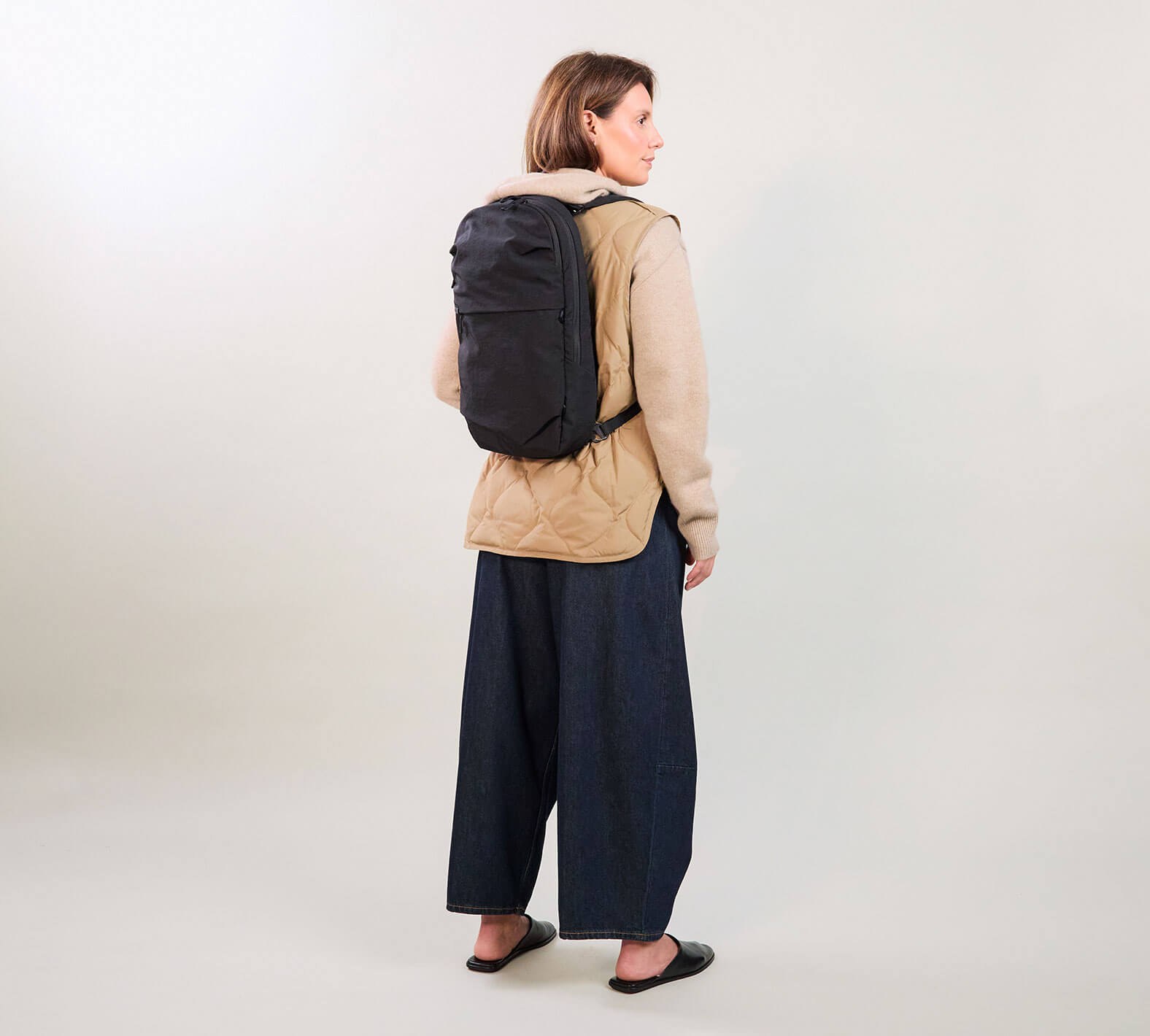
Put on the packed bag and walk through the bathroom doorway, turn beside a chair and sit on the edge of the bed. These small movements reveal whether the load projects too far behind you. In a crowded gallery, awareness matters as much as capacity. A backpack can touch a sculpture plinth, another visitor or a display case before the wearer feels the contact.
Switch to sling carry only after practising the change with the same coat and layers planned for the day. Detachable padded shoulder straps sound straightforward, but buckles feel different when the bag is full and the room is busy. Decide one default carry mode and one backup. Constantly changing the configuration in doorways creates more friction than it solves.
Test 04: build a quiet-access pocket
A museum day has many small stops: ticket scan, audio guide, reading glasses, notebook, tissues and perhaps a pencil. Put those items together so a single zip opens the useful layer. Avoid noisy wrappers, loose coins and a key ring that strikes the exhibits' quiet atmosphere every time the bag moves. Headphones should be untangled before arrival if the venue uses an app-based guide.
Keep food and drinks separate from electronics and follow gallery rules about where they may be used. A closed water bottle belongs in a stable position, not balanced over a laptop sleeve. The MODE 14L product page describes an optional removable bottle sleeve sold separately; check the current configuration rather than assuming every accessory is included with the bag.
Test 05: leave space for the coat decision
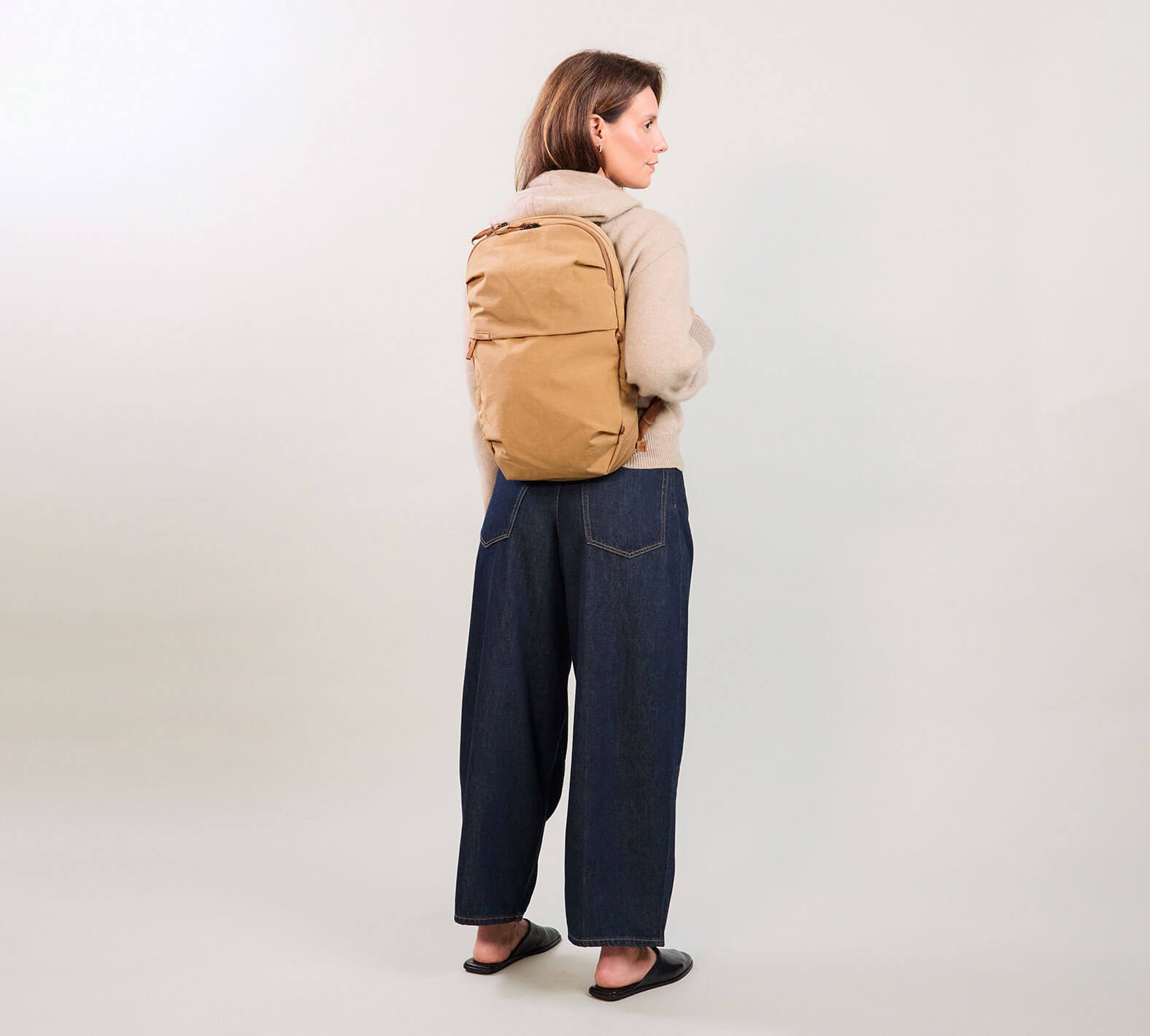
Indoor temperatures can make the outdoor layer feel like extra luggage. Decide whether the coat will stay on, be checked or be carried. Forcing a bulky jacket into a tightly packed day bag can distort the load and put pressure on glasses, cameras or souvenirs. A lightweight layer may fold inside, but a wet raincoat needs its own plan and should not sit against paper or electronics.
The best museum-day pack is not the fullest one. Leave a little volume for the object you did not anticipate: an exhibition booklet, a small shop purchase or gloves removed after lunch. That margin also makes zippers easier to close without placing the bag on a public floor. If the bag is already rigid at breakfast, remove something before leaving the hotel.
Test 06: perform the end-of-day reset
Back at the room, empty receipts, snack wrappers and borrowed audio-guide adapters immediately. Wipe the bag according to its care instructions and let any damp fabric dry before packing it inside larger luggage. Return the wallet, charger and room key to their normal travel positions. A ten-minute reset prevents the museum setup from becoming tomorrow's search problem.
Pakt product specifications, accessories, prices and availability can change. Review the current measurements, materials, included components, warranty and returns terms before ordering. The merchant link below is there to verify those details. A useful bag should match the venues and objects in a real itinerary, not simply look compact in a product photograph.