Vietnamese Food Pho Review: My Culinary Journey Through Vietnam: Was the Pho Really That Good?
You have seen the Instagram shots. A steaming bowl of pho, broth the color of amber, sliced beef arranged like petals. Every travel blog calls it life-changing. Every food documentary treats it like a religion.
I landed in Hanoi with a notebook, a hungry stomach, and deep skepticism. No dish can be that good after 15 flights of hype.
Three weeks and 42 bowls later, I have answers. Some of them will annoy purists. Some will save you from eating bad pho in a tourist trap. All of them are honest.
What I Actually Found in That First Bowl of Pho in Hanoi
My first bowl cost 50,000 VND (about $2 USD) from a stall on Hang Cot Street. The woman running it had been making pho for 33 years. No menu. No sign. Just 12 plastic stools and a pot of broth that had been simmering since 4 AM.
The broth was the shock. Not the beef. Not the noodles. The broth. It tasted like someone had distilled an entire cow into a cup of tea — clear, fragrant, impossibly deep. Star anise and cinnamon were there, but as background singers, not the lead.
Here is what nobody tells you: the best pho in Vietnam does not come from famous restaurants. It comes from women like this one, working on sidewalks, using recipes their grandmothers taught them. The place had no name. I found it by following the smell of charred ginger at 6:30 AM.
Was it the best thing I ate in Vietnam? No. That prize goes to a bowl of bun cha in a back alley of Hanoi. But that first pho taught me something important: the hype is real, but you have to find the right bowl.
The Three Regional Pho Styles You Will Encounter (And Which One Wins)
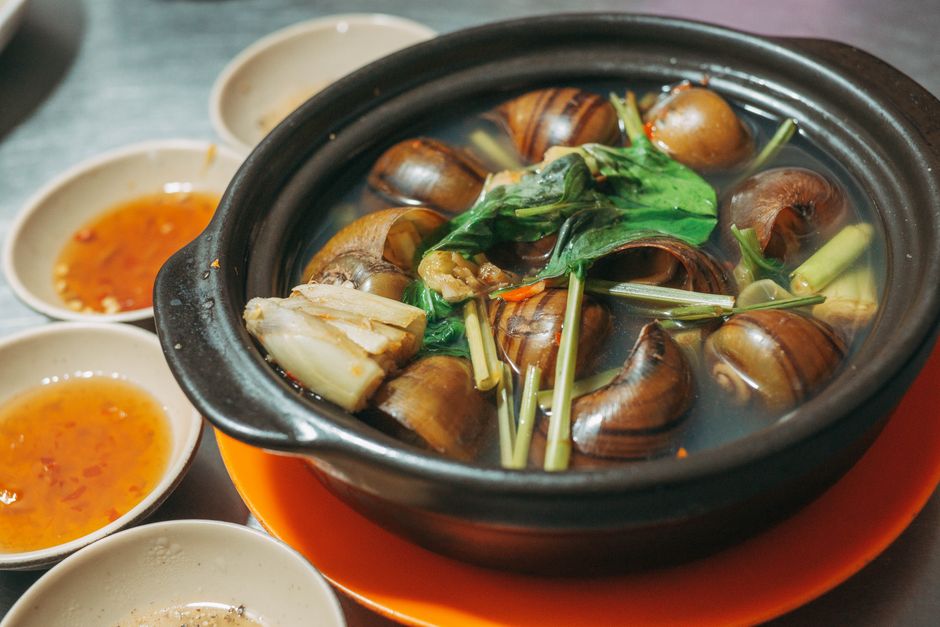
Pho is not one dish. It is three distinct regional styles, each with passionate defenders who will argue about the correct way to eat it. Here is the breakdown.
| Region | Broth Style | Noodles | Key Difference | Best Place I Found |
|---|---|---|---|---|
| Hanoi (North) | Clear, light, heavy on star anise and cinnamon | Wide, flat, slightly chewy | No herbs served on the side. Minimal garnishes. Pure broth focus. | Pho Thin (13 Lo Duc Street) — broth so clean it looks like tea |
| Hue (Central) | Richer, darker, with more beef bone marrow | Medium width, softer texture | Served with a side of fresh herbs (basil, mint, cilantro) and chili vinegar | Pho Ha (42 Nguyen Hue Street) — the chili vinegar is house-made and addictive |
| Saigon (South) | Sweet, cloudy, heavy on hoisin and bean sprouts | Thin, almost vermicelli-like | Sweet broth from more rock sugar. Served with a mountain of bean sprouts and sawtooth herb. | Pho Hoa (260C Pasteur Street) — the sweetest broth, polarizing but memorable |
My verdict: Hanoi wins for pure broth quality. Saigon wins if you want a more filling, saucy experience. Hue sits in the middle — a good compromise if you can only try one style.
But here is the truth that will upset people: the best bowl I had was not from any of these. It was a bowl of pho ga (chicken pho) from a woman in a market in Hoi An who used a secret ingredient — roasted lemongrass in the broth. I have never found anything like it since.
The Dish That Deserves More Hype Than Pho: Bun Cha
Let me be direct. Bun cha is better than pho. I know this is heresy. I do not care.
Bun cha is grilled pork patties and pork belly served in a bowl of warm, sweet-sour fish sauce broth with rice noodles and a mountain of fresh herbs. It is what pho wants to be when it grows up — more complex, more interactive, more satisfying.
The best version I found was at Bun Cha Huong Lien in Hanoi. You might know it as the place where Anthony Bourdain and Barack Obama ate. The hype is justified. The pork patties are charred on the outside, juicy on the inside. The broth is warm, not hot, which lets you taste every layer — fish sauce, lime, sugar, garlic, chili.
You eat it by dipping the noodles into the broth, wrapping them in lettuce and herbs, then biting into the pork. It is messy. It is perfect.
Cost: 60,000 VND ($2.50 USD) for a full portion with a side of spring rolls. You will not find a better $2.50 meal anywhere on earth.
Banh Mi: The Sandwich That Actually Changed How I Think About Bread
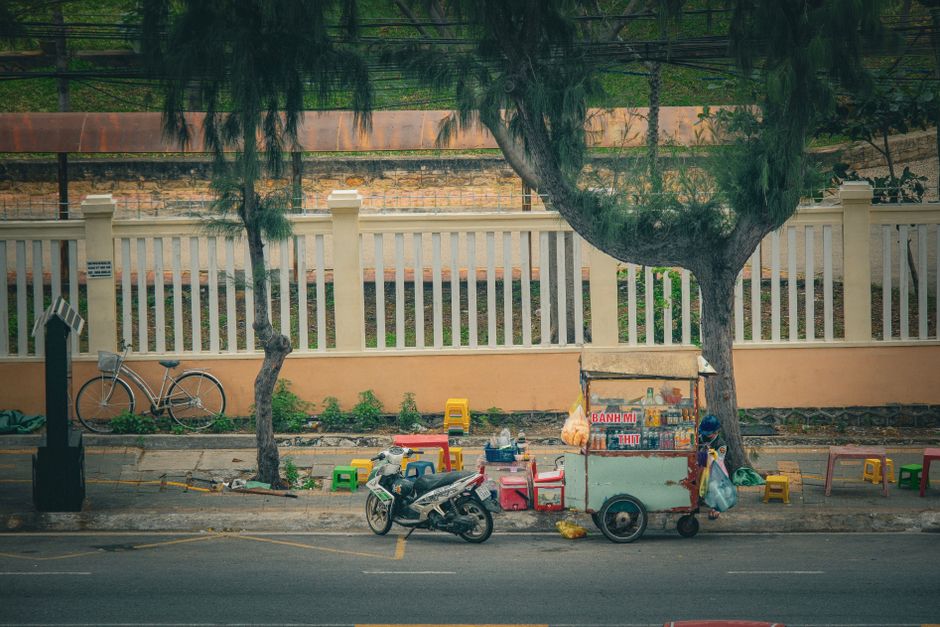
Before Vietnam, I thought a good banh mi was about the fillings. Pork, pate, pickled daikon, cilantro, chili. Get those right and you have a winner.
I was wrong. The bread is everything.
A proper banh mi baguette is a contradiction — shatteringly crisp on the outside, airy and soft on the inside, with almost no chew. It crumbles when you bite it. It absorbs the pate and soy sauce without getting soggy. It is nothing like a French baguette, even though the French introduced the bread to Vietnam.
The best one I ate was from Banh Mi Phuong in Hoi An. Anthony Bourdain ate there too. The secret is not the fillings — it is the fact that they toast the baguette twice. Once to set the crust, once to warm the inside. The result is a sandwich that stays crisp for exactly three minutes after assembly. Eat it immediately.
Cost: 25,000 VND ($1 USD). That is not a typo. One dollar.
Pro tip: look for stalls where the bread is baked on-site. If the bread arrives on a delivery truck, walk away. The bread goes stale in two hours.
Three Dishes You Will Not Find on Instagram (But Should)
Every tourist eats pho, banh mi, and spring rolls. The real Vietnamese food culture hides in dishes that are too ugly for Instagram but too good to miss.
Bun Bo Hue — A spicy beef noodle soup from central Vietnam. The broth is stained deep red from annatto seeds and chili oil. It is served with thick round noodles, chunks of beef shank, and congealed pork blood (do not skip the blood — it adds a silky texture nothing else can replicate). The best bowl I had cost 40,000 VND and came from a stall in Hue that had no English sign. I pointed at what other people were eating. That is the strategy.
Cao Lau — A noodle dish unique to Hoi An. The noodles are made with lye water and ash from local trees, giving them a dense, chewy texture that is closer to udon than rice noodles. Topped with sliced pork, croutons, and fresh herbs, all soaked in a dark, savory broth. The story goes that the water must come from the Ba Le well in Hoi An to be authentic. I cannot verify this. I can tell you that Cao Lau from Thanh Cao Lau (26 Thai Phien Street) was the best noodle dish I ate in Vietnam. Better than pho.
Banh Xeo — A crispy crepe filled with shrimp, pork, and bean sprouts. The batter is made with rice flour and turmeric, giving it a yellow color and a lacy, brittle texture. You eat it by tearing off a piece, wrapping it in lettuce with mint and pickled carrots, then dipping it in fish sauce. The version at Banh Xeo 46A in Ho Chi Minh City is the standard — massive, crispy, and served with a dipping sauce so good I asked for the recipe. They laughed and said no.
Common Mistakes Tourists Make When Eating Street Food in Vietnam
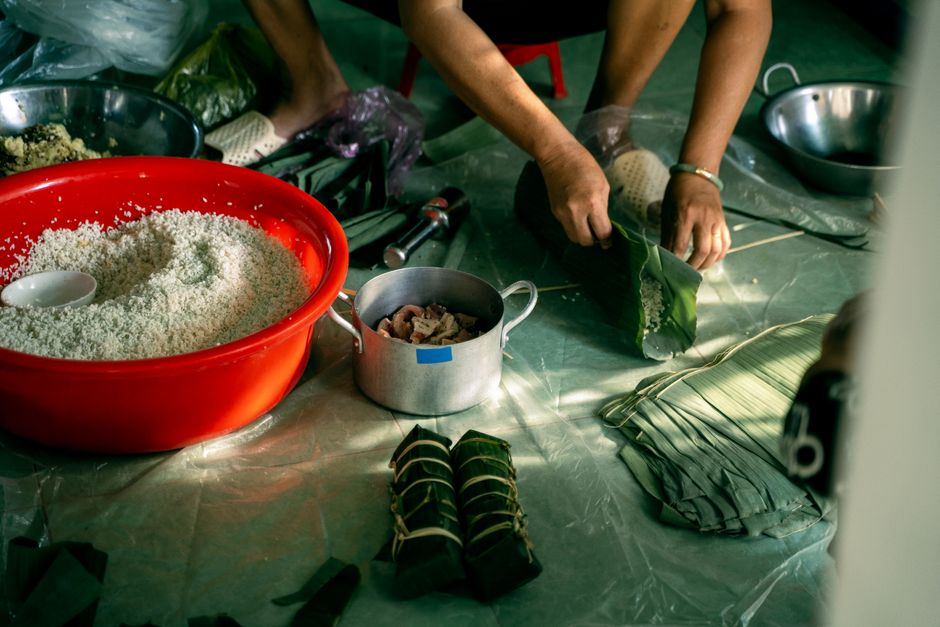
I made every mistake so you do not have to. Here are the four that cost me time, money, and stomach comfort.
Mistake 1: Eating at the wrong time. Pho is a breakfast food in Vietnam. By 10 AM, the best stalls are sold out. If you eat pho for dinner, you are eating the leftovers from lunch. Same for banh mi — the morning batch is baked at 6 AM. Afternoon banh mi uses bread from the morning. It is not the same.
Mistake 2: Ordering without watching first. Stand at the stall for five minutes. Watch how the cook handles the meat. Watch if they change the oil. Watch if the broth is simmering or just sitting. If the cook looks bored, the food will taste bored. If the cook is sweating and moving fast, that is the stall you want.
Mistake 3: Ignoring the herbs. Every bowl of pho comes with a plate of herbs. They are not decoration. The mint, basil, and sawtooth herb are there to cut through the richness of the broth. Skip them and you miss half the flavor profile. Add them all at once, then taste. The difference is immediate.
Mistake 4: Not carrying cash in small denominations. Street vendors do not have change for a 500,000 VND note. They will either refuse your business or give you angry looks. Carry 20,000 and 50,000 VND notes. It makes everything smoother.
The Verdict: Is Vietnamese Food Worth the Hype?
Yes. But not for the reasons you think.
The hype around Vietnamese food focuses on flavor. The broth, the herbs, the balance of sweet, sour, salty, and spicy. All of that is real. I ate bowls of pho that made me stop talking because I needed to focus on the taste.
But the real magic is not the food itself. It is the context. Eating pho at 6 AM on a plastic stool while the city wakes up around you. Watching a grandmother slice beef with a knife she has owned for 40 years. Sharing a table with strangers who do not speak your language but smile when you slurp loudly — because loud slurping means you approve.
That is what makes Vietnamese food special. The flavors are world-class. But the experience of eating them, in the places where they were born, with the people who have been making them for generations — that is what you will remember five years from now.
Was the pho really that good? Yes. But the bun cha was better. And the cao lau was better than both. And the banh mi from a woman who sold 200 sandwiches before noon? That was worth the plane ticket alone.
Go to Vietnam. Eat everything. Trust the stalls with no English signs. And when someone tells you they know the best pho in town, ask them what time they ate it. If they say dinner, find a different recommendation.